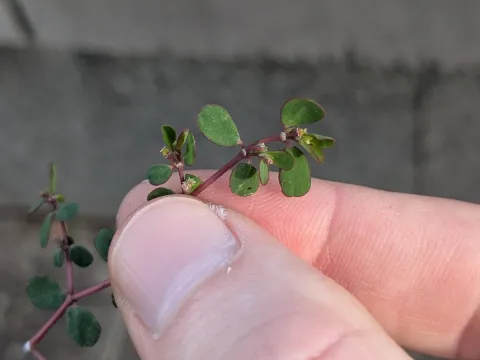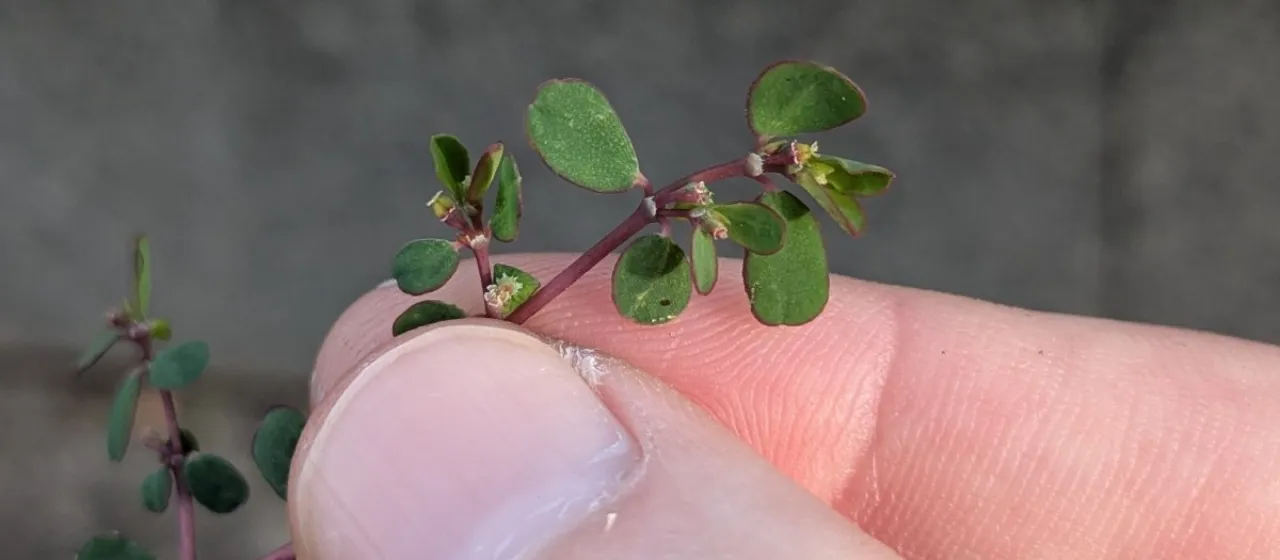
Description
Minutifolia Spurge (Euphorbia minutifolia) is a distinctive succulent species that belongs to the diverse Euphorbiaceae family. Known for its extremely small leaves and compact growth habit, this plant has evolved to thrive in harsh, resource-limited environments. While not a conventional staple crop, it is a significant species for research in arid-zone adaptation and specialized botanical cultivation.
The plant originates from arid regions characterized by rocky terrain and limited annual precipitation. Its natural distribution is tied to extreme climate zones where high solar radiation and low moisture availability prevent the growth of most conventional crops. These environments have forced the plant to develop efficient physiological mechanisms for water storage and survival under stress.
Botanically, Euphorbia minutifolia is distinguished by its succulent stems and tiny leaves, which act as a strategy to minimize water loss through transpiration. The plant often forms low, cushion-like mats that protect its delicate tissues from desiccating winds. Like other members of the genus, it contains a specialized latex sap, which serves as a chemical defense mechanism against herbivores and pathogens.
Agricultural and horticultural requirements for this species focus heavily on drainage and light exposure. In cultivation, it demands a porous, well-draining substrate to prevent root rot. It is highly intolerant of waterlogged soil and high humidity, making precise irrigation control the most critical aspect of its management. It thrives best in full sun, reflecting its evolutionary preference for open, exposed landscapes.
- Exceptional drought resistance and water-use efficiency.
- Preference for mineral-rich, sandy, or rocky soil profiles.
- High sensitivity to fungal infections caused by over-irrigation.
- Minimal nutrient requirements compared to standard crops.
The primary use of this species is in xeriscaping and botanical preservation, where its unique architectural form is valued. It serves as an excellent model for studying drought-tolerance genes, which could potentially be applied to broader agricultural breeding programs. As global interest in sustainable, water-wise landscaping grows, Euphorbia minutifolia is increasingly recognized for its utility in conserving water in managed agricultural or urban environments.
Photo gallery