Description
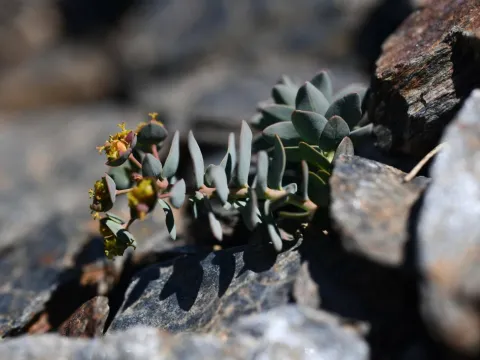
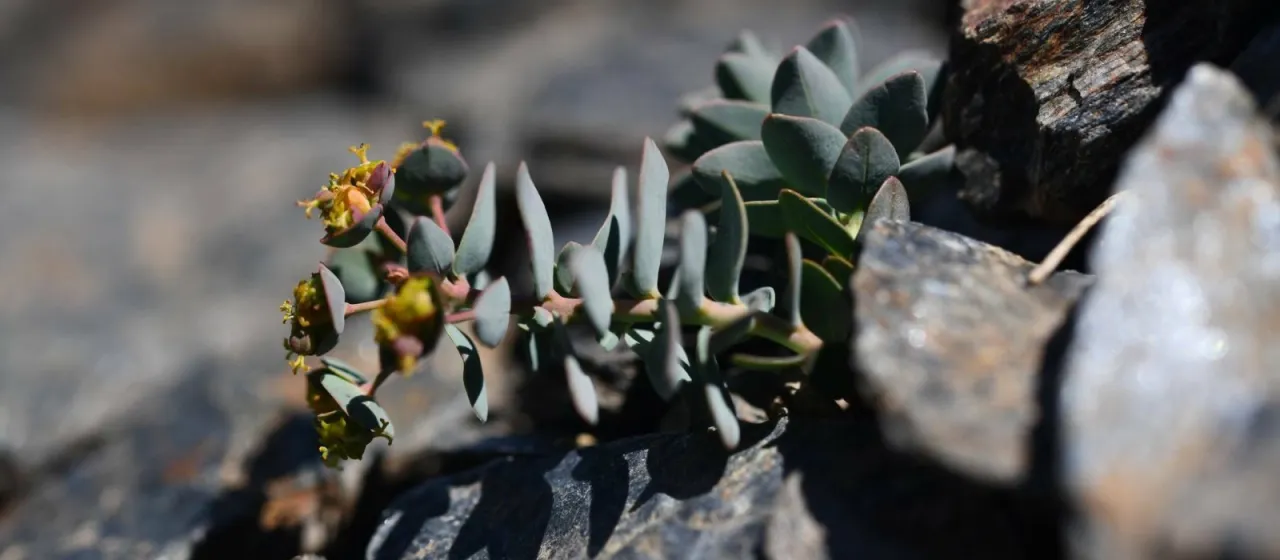
Nevada spurge (Euphorbia nevadensis) is a perennial herbaceous plant belonging to the Euphorbiaceae family. This species is a specialized mountain plant, well-adapted to the rocky landscapes and intense solar radiation of its native environment, making it a subject of interest for both botanical research and specialized horticulture.
The plant originates from the mountainous regions of Southern Europe, specifically the Sierra Nevada range. Unlike mass-market crops, its cultivation is largely focused on alpine gardens and xeriscaping projects where its ability to thrive in poor, rocky soils is a distinct advantage.
Botanically, it is characterized by a succulent-like growth habit, featuring distinct stems that contain a white latex sap. The foliage is typically narrow and lanceolate, forming a dense rosette, while the inflorescences consist of small flowers surrounded by yellow-green bracts, which are essential for its reproductive success in high-altitude habitats.
The agronomic requirements for Euphorbia nevadensis are strict regarding drainage. It requires well-aerated, lime-rich substrates and full sun exposure. In a garden setting, it does not tolerate nutrient-rich fertilizers or waterlogged conditions, as these quickly lead to physiological stress and root system degradation.
In terms of management and protection, the plant is relatively robust but sensitive to microclimate issues. Proper maintenance includes:
- Ensuring high mineral content in the soil.
- Preventing excessive moisture during dormant periods.
- Monitoring for sap-sucking pests like aphids that target new growth.
- Applying preventive measures against fungal rot in poorly drained areas.
Photo gallery