Description
Nicic's Spurge (Euphorbia niciciana) is a perennial herbaceous plant belonging to the large and diverse family Euphorbiaceae. Recognized as a resilient xerophyte, this species is gaining attention for its ability to thrive in arid environments where conventional crops often fail to establish a viable population.
The plant originates from the Balkan Peninsula and surrounding regions of Southeastern Europe. Its natural habitat consists of rocky, well-drained slopes and open grasslands. In terms of cultivation, it is highly adaptable to Mediterranean and temperate continental climates, provided there is ample solar exposure throughout the active growing season.
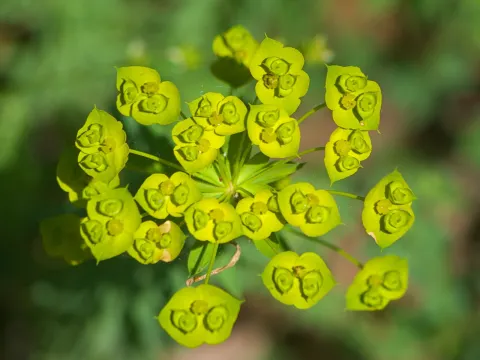
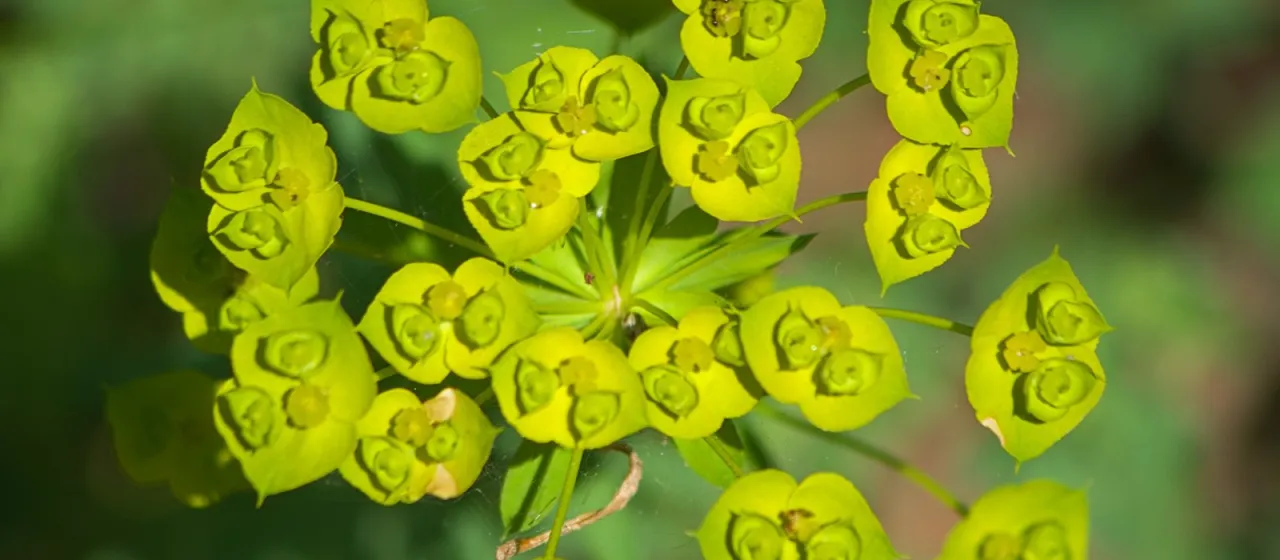
Botanically, it features a robust, deep-reaching taproot system, which is critical for its survival in nutrient-poor and moisture-deficient soils. The foliage is linear-lanceolate, often having a waxy cuticle that minimizes transpiration. The inflorescences are characterized by their distinct cyathia, which exhibit high ecological significance by attracting local pollinators during the spring.
Agronomically, the crop requires minimal inputs. It is exceptionally well-suited for sandy or calcareous soils with a neutral pH level. Over-irrigation is the primary failure point in cultivation; therefore, selecting sites with excellent drainage is paramount. Fertilization is generally unnecessary, as the species is evolved to utilize limited nutrients available in rocky substrates.
Economic and practical applications include its use in sustainable landscaping and land rehabilitation projects. The plant's unique latex composition makes it an object of study for botanical pharmacological research. Common pests include aphids, while fungal pathogens are generally associated with excessively wet conditions. Managing humidity and selecting appropriate planting sites are the key pillars of successful crop maintenance.
Photo gallery