Description
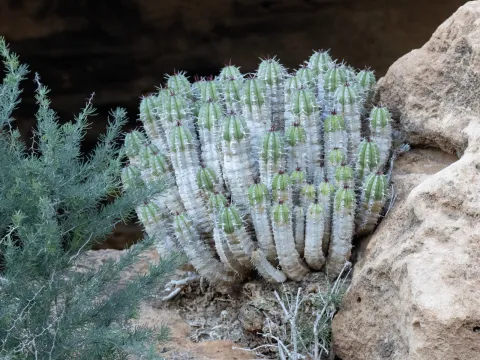
Euphorbia officinarum is a perennial succulent plant that belongs to the large Euphorbiaceae family. It is widely recognized for its cactus-like morphology, which enables it to thrive in extremely arid environments. The plant is specifically adapted to store water within its stems, making it highly resilient to long-term drought conditions.
Originating primarily from the arid regions of Morocco, this species is naturally found in rocky and sandy habitats. Its native range is characterized by limited rainfall and high solar radiation. In agricultural settings, it requires similar conditions, making it suitable for cultivation in regions with hot, semi-desert climates where traditional crops fail to thrive.
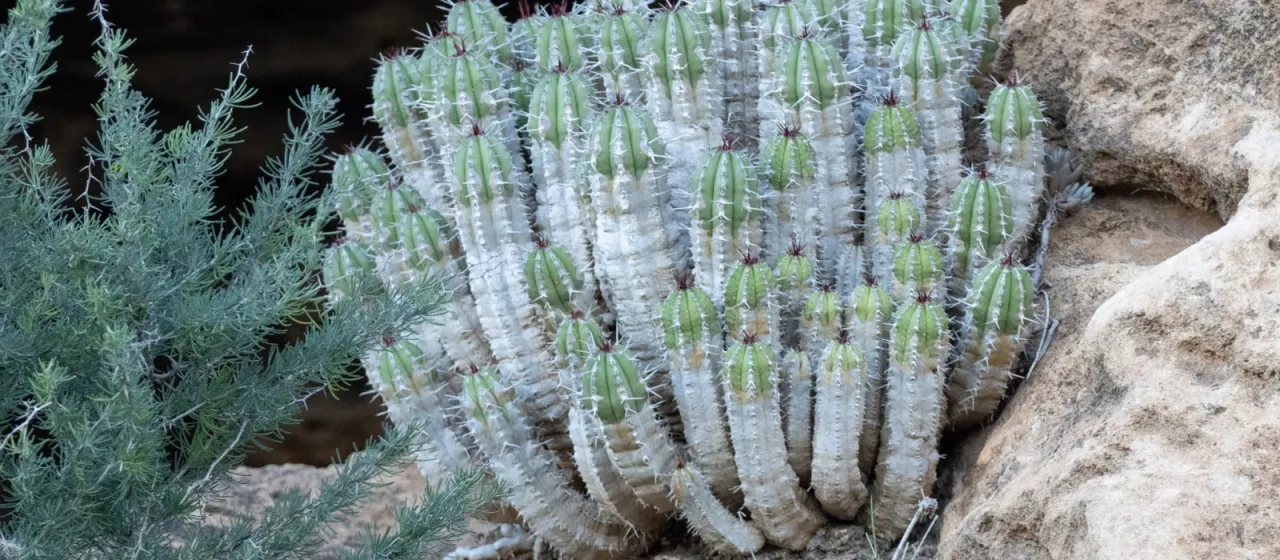
Botanically, the plant consists of thick, succulent stems with distinct ribs and sharp, protective thorns. Its growth habit is typically shrub-like. A defining feature is the presence of a potent, toxic latex sap that flows through the internal tissues. This sap serves as a primary defense mechanism, deterring herbivorous animals and various insect pests.
Successful cultivation of Euphorbia officinarum relies on well-draining, sandy-gritty soil substrates. Excess moisture is the primary cause of crop failure, as it promotes root rot. Agronomic management involves minimal watering during the active growth period and maintaining dry conditions during winter dormancy. Full exposure to sunlight is essential for the healthy development of the stems.
The plant has historically been valued for its latex, which is used in traditional medicine and pharmaceutical research. Currently, it is cultivated for its biochemical compounds and serves as a specimen in specialized xeriscaping or botanical collections. Due to the toxicity of its sap, handlers must exercise caution, using protective gear to avoid skin and eye contact.
- Exceptional drought resistance
- High susceptibility to root diseases in wet soil
- Protection provided by toxic latex sap
- Slow growth rate typical for desert succulents
Photo gallery