Description
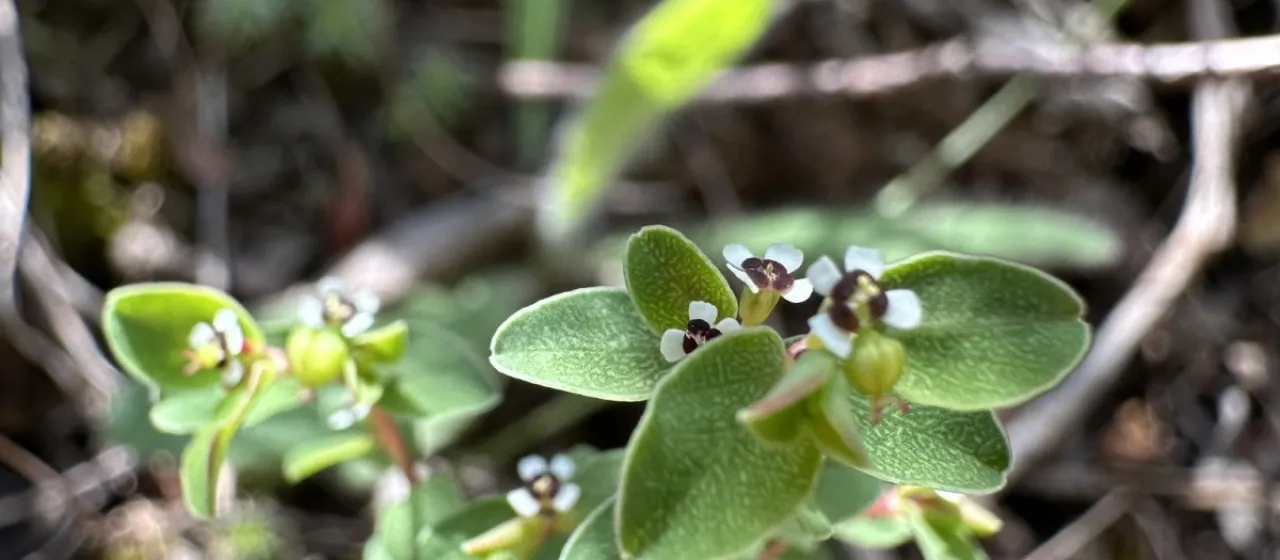
Round-leaved spurge (Euphorbia orbiculata) is a perennial succulent plant belonging to the Euphorbiaceae family. This species is recognized for its unique growth habit and adaptation to arid environments, making it a subject of interest in both botanical study and ornamental horticulture. It is characterized by its resilience and ability to thrive in challenging conditions.
Originating from regions within Africa, the plant has historically occupied rocky and dry terrains. In contemporary agriculture and horticulture, its range has expanded significantly through its introduction into nursery production and specialized succulent collections globally, thriving wherever climate control or regional dryness permits its survival.
Botanically, Euphorbia orbiculata is defined by its compact stems and distinctively round, succulent leaves. The plant possesses a specialized waxy cuticle to reduce transpiration, and like other members of the genus, it contains a latex-rich milky sap. Its root system is specifically optimized for efficient water uptake from sparse, mineral-rich soils.
Cultivation requirements necessitate high light exposure and superior drainage. The ideal substrate is gritty or sandy, preventing water logging which is the primary enemy of this species. Proper agrotechnics involve limited irrigation cycles, especially during dormancy, and ensuring that temperatures remain within a range that avoids freezing damage to the succulent tissues.
The primary economic use of this plant is within the ornamental and landscaping sectors, particularly for xeriscaping or rock garden designs. It serves as a durable component in low-maintenance landscapes and is highly sought after by collectors of arid-adapted flora. Its aesthetic appeal lies in its geometric symmetry and minimal cultural requirements.
- Full sun exposure
- High-drainage, gritty soil medium
- Minimal fertilizer application
- Careful, infrequent irrigation
- Warm, frost-free environment
Regarding pest management, the species is susceptible to common succulent pests such as mealybugs and spider mites, particularly in glasshouse conditions. Disease pressure is largely restricted to fungal infections, often induced by overwatering or poor air circulation, necessitating a prophylactic approach to soil moisture and plant hygiene.
Photo gallery