Description
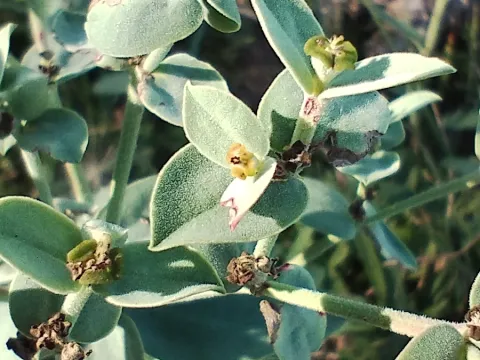
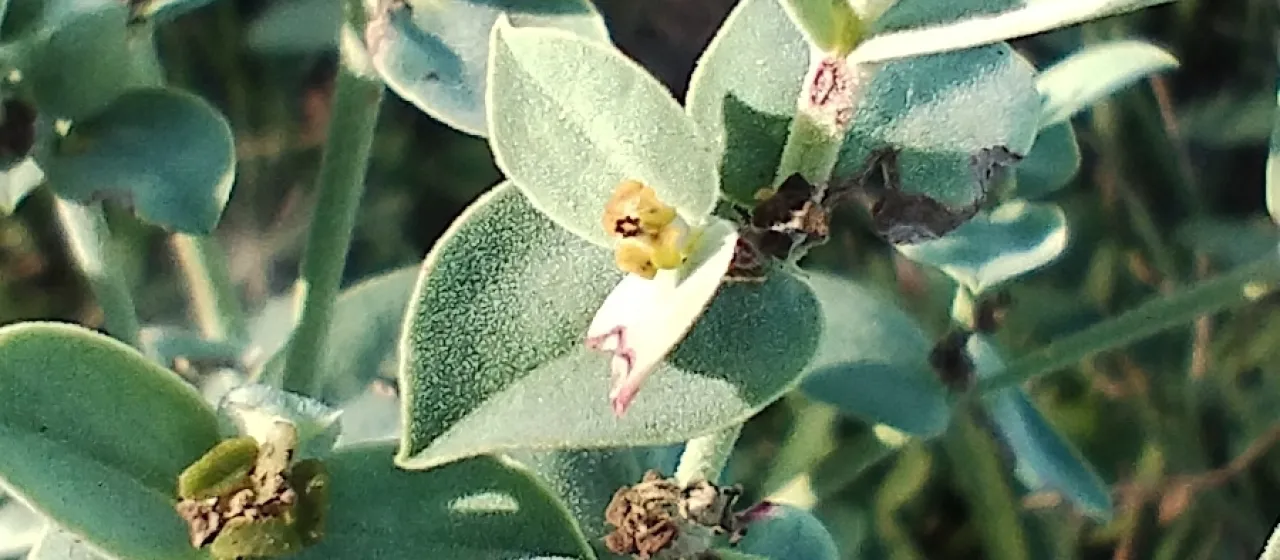
Euphorbia papillosa is a perennial succulent species belonging to the diverse Euphorbiaceae family. This species is recognized for its unique morphological features, specifically the papillose texture of its stems, which serves as a specialized adaptation to survive in arid, high-light environments where water availability is chronically low.
The native range of this plant is concentrated in the arid regions of Africa, where it thrives in rocky or sandy substrates. In agricultural and botanical cultivation, Euphorbia papillosa is often studied for its resilience to harsh environmental stresses. It requires specialized management practices that replicate its natural habitat conditions to ensure optimal development and longevity.
Botanically, the plant is characterized by its compact, succulent growth habit. The epidermis is covered in distinct projections, commonly referred to as papillae, which are essential for structural integrity and water retention. As is common within the genus, the plant contains a milky sap that acts as a chemical defense mechanism, deterring various herbivores and insects, though it poses risks to humans and pets upon contact.
Successful agrotechnical management of this culture requires well-draining soil mixes, typically consisting of a mix of sand, pumice, and loam. Irrigation must be carefully controlled; watering should only occur when the substrate is completely dry to prevent root rot. During the winter, the plant enters a period of dormancy, necessitating even drier conditions and cooler temperatures to maintain metabolic balance.
The cultivation of Euphorbia papillosa is primarily limited to horticultural and specialized agricultural sectors. Common pests affecting this species include mealybugs and spider mites, which exploit the crevices between the papillae. Preventive measures, such as maintaining adequate ventilation and monitoring plant health, are vital to avoiding the widespread use of systemic pesticides.
- Ensure high drainage capacity in the growing medium.
- Maintain minimal water levels during dormancy.
- Use protective gear when handling to avoid sap contact.
- Keep the plant in bright, indirect light settings.
Photo gallery