Description
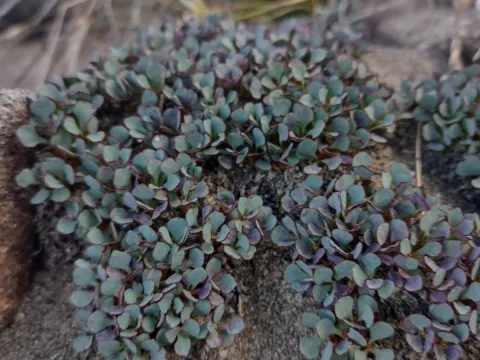
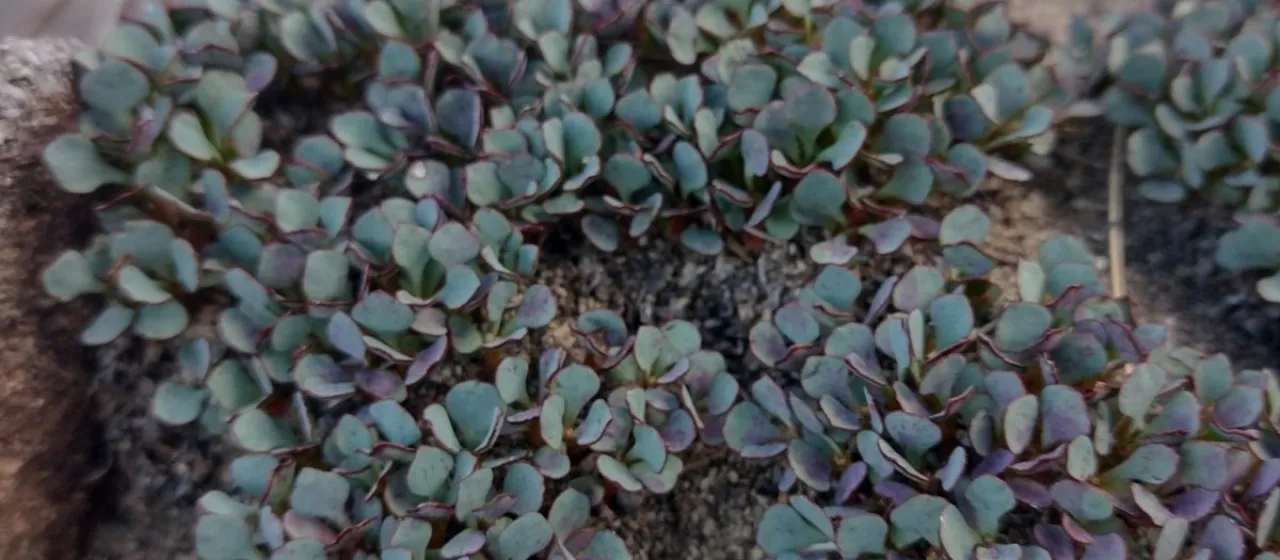
Patagonian Spurge (lat. Euphorbia patagonica) is a hardy perennial belonging to the Euphorbiaceae family. Originating from the arid regions of Patagonia in South America, this plant has evolved to thrive in harsh environments, making it a subject of significant interest for growers focused on sustainable and drought-resistant agriculture.
The native distribution of this species is confined to the stony steppes of Argentina. This geography has dictated the plant's structural development, leading to a robust, deep-rooting system and succulent-like stems capable of sequestering moisture to endure long seasonal droughts typical of its home climate.
Botanically, Euphorbia patagonica exhibits characteristic traits of the genus, including the presence of a white, often caustic latex within its vascular system. Its leaves are usually small or reduced to minimize transpiration, and its reproductive structure involves specialized cyathia, which are unique to the Euphorbia genus.
Agronomic requirements for this crop focus on soil aeration and light availability. It thrives in well-draining, gritty soils and requires full sun exposure to maintain its compact growth form. Agronomists emphasize that the primary risk to this plant is root rot, which occurs if the drainage is insufficient or if irrigation is performed too frequently in poorly ventilated areas.
In terms of agricultural and landscape utility, the Patagonian Spurge is primarily utilized in dry-garden landscaping and as a ground cover in arid agricultural zones. Beyond aesthetics, it serves as a valuable genetic resource for breeding programs aiming to develop more resilient, water-efficient plants for future cultivation in warming climates.
- Exceptional tolerance to heat and solar radiation.
- Requires low-nutrient, permeable soil substrates.
- Relatively immune to most common pests due to its specialized chemical defenses.
Photo gallery