Description
Peking spurge (lat. Euphorbia pekinensis) is a perennial herbaceous plant belonging to the large Euphorbiaceae family. It is recognized as a significant medicinal crop, particularly in East Asian traditional medicine systems. The plant is characterized by its distinct structural morphology, including milky latex exuded from stems and leaves when damaged, which is a common trait among members of this botanical group.
The native range of this species covers regions of East Asia, primarily China, where it grows in various habitats ranging from hillsides to woodland edges. As a domesticated crop, it has been introduced into controlled cultivation systems to ensure a standardized supply of bioactive compounds found within its root system. The plant demonstrates high adaptation to temperate climates, showing robust growth during the spring and summer months.
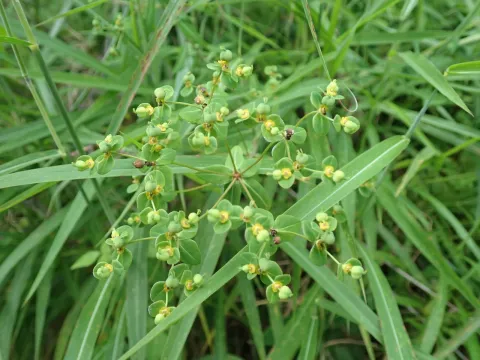
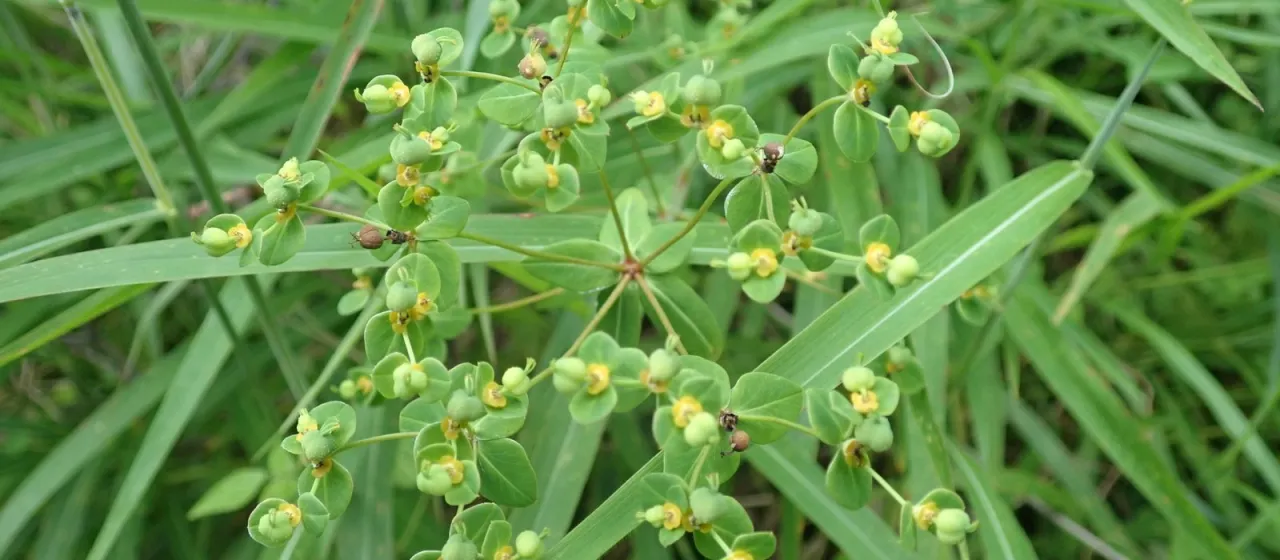
Botanically, Euphorbia pekinensis is identified by its erect stems and lanceolate leaves, often growing to heights of nearly one meter. The reproductive structure consists of cyathia, which are unique specialized inflorescences surrounded by yellow-green bracts. The root system is deep and often tuberous, which provides the plant with resilience against short-term environmental stresses.
For successful agricultural production, Peking spurge requires well-drained, fertile soil with a slightly acidic to neutral pH. Proper soil management is critical, as root rot is a common issue in poorly aerated or waterlogged conditions. The recommended agrotechnical approach involves careful weed control during the early stages of establishment and applying fertilizers rich in phosphorus to support optimal root development.
The main pests that may affect the crop include aphids and spider mites, which can be managed through integrated pest management strategies. Diseases are generally associated with fungal pathogens thriving in high humidity. Because of the toxic nature of the plant's milky sap, all harvesting and processing operations must be carried out using appropriate protective equipment to avoid skin irritation. Below are the core management priorities for growers:
- Maintenance of proper soil drainage to prevent root decay.
- Consistent monitoring for aphid infestations during the flowering stage.
- Adherence to strict safety protocols due to the toxic latex.
- Proper post-harvest drying of roots to ensure shelf life and quality.
- Rotation of crops to minimize the build-up of soil-borne pathogens.
Photo gallery