Description
The Fishing spurge (Euphorbia piscatoria) is a perennial succulent shrub belonging to the diverse Euphorbiaceae family. This species is native to the island of Madeira, where it grows primarily in rocky, coastal environments, having adapted to survive in environments characterized by salt air and poor, mineral-rich soils.
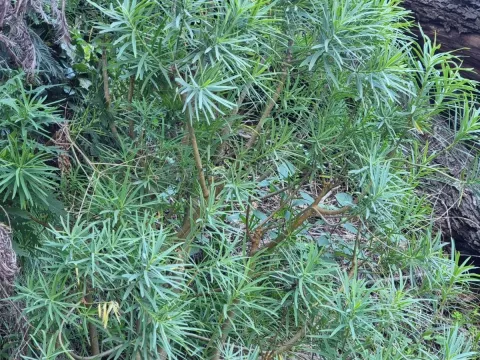
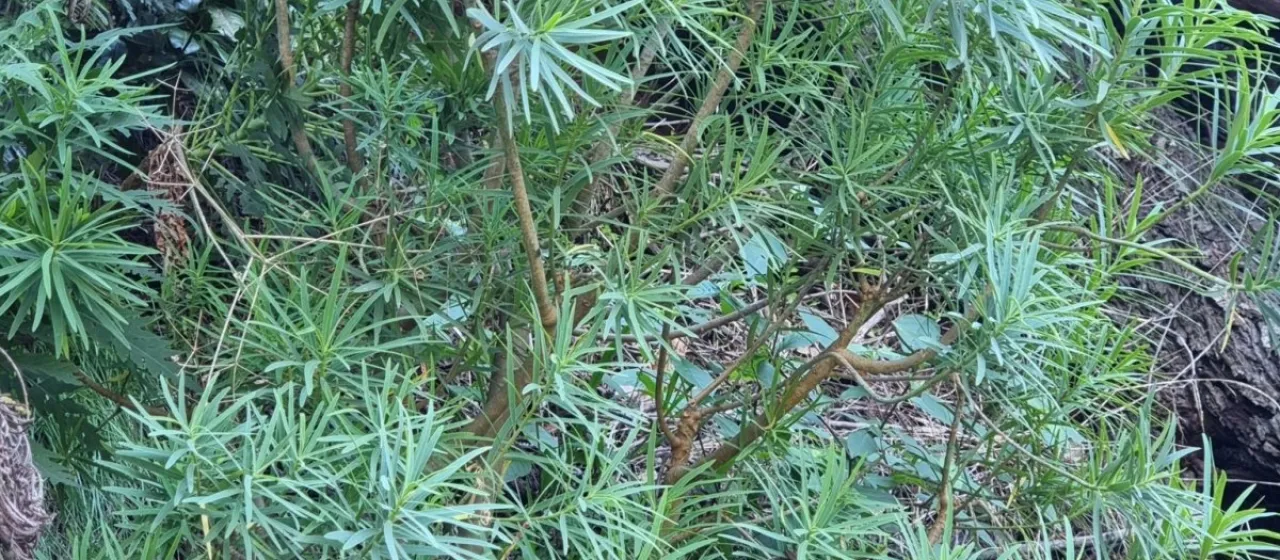
Botanically, the plant is a highly branched shrub that can reach heights of up to 2 meters. It features succulent stems covered in narrow, linear leaves that often shed during extreme dry spells. During its blooming season, the plant produces distinctive yellow-green cyathia, which are the hallmark inflorescences of the Euphorbia genus.
Cultivation requires specific environmental conditions, primarily focusing on soil drainage. It thrives in well-draining, sandy, or stony substrates. Euphorbia piscatoria requires full sun exposure to maintain its structural integrity and health. In terms of climate, it is adapted to temperate maritime conditions and is sensitive to frost, making it suitable for outdoor cultivation only in Mediterranean or subtropical climates.
Agronomic management involves careful irrigation practices. The plant should be watered sparingly, allowing the soil to dry out completely between waterings to prevent root rot, which is the most common cause of failure in domestic cultivation. Propagation is typically performed via stem cuttings, which must be calloused before planting to ensure survival. One must always handle the plant with gloves due to the toxic, irritant nature of its milky sap.
Historically, the species gained its name from the local practice of using its latex to stun fish in coastal tide pools, an application that is no longer recommended or practiced due to its ecological impact. Currently, it is used as an ornamental plant in xeriscaping or succulent collections. Common pests include spider mites and mealybugs, which are effectively managed through integrated pest control measures and maintaining optimal airflow around the plant.
Photo gallery