Description
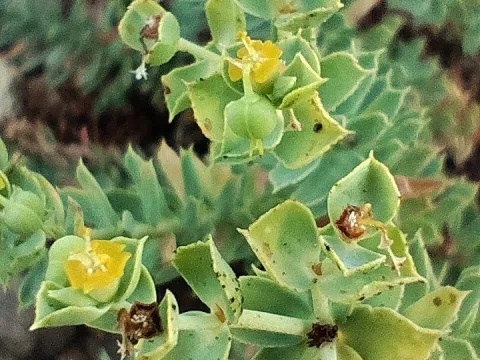
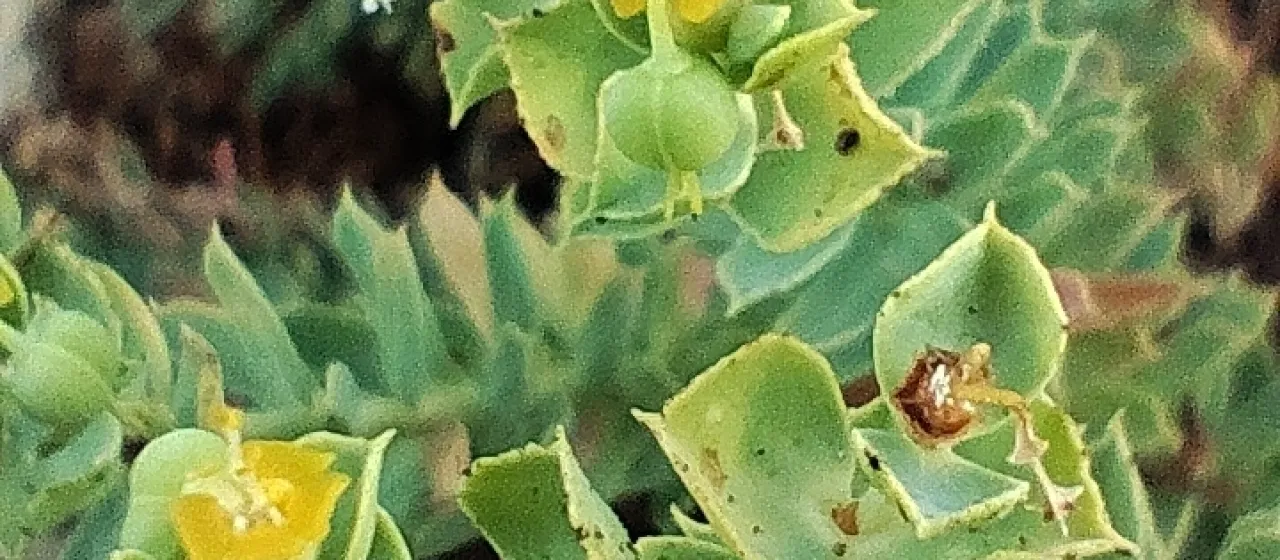
Pithyusa spurge (Euphorbia pithyusa) is a perennial herbaceous plant belonging to the Euphorbiaceae family. In agricultural terms, it is recognized as a hardy, drought-tolerant species that thrives in challenging coastal environments, offering unique potential for xeriscaping and reclamation of degraded lands.
Originating from the Mediterranean basin, the plant is primarily distributed across the coastal regions and rocky terrains of southern Europe. Its native habitat has shaped its evolution, resulting in physiological mechanisms that maximize water retention and provide resilience against high salt concentrations in the soil and strong, arid winds.
Botanically, the plant features a dense, shrub-like structure with needle-like leaves and a robust, deep-reaching taproot. Like other members of the genus, it contains a milky latex sap which serves as a potent chemical defense against herbivorous pests, making it a low-maintenance species in managed landscapes.
Regarding climate and soil requirements, Pithyusa spurge demands well-drained, sandy, or calcareous soils with low nutrient content. It is extremely photophilous and requires full sun exposure to maintain its compact growth habit. In terms of agronomy, growers must avoid irrigation systems that keep the soil consistently wet, as the plant is highly susceptible to root diseases in saturated conditions.
The practical application of this species is largely found in ornamental landscaping, sand dune stabilization, and botanical research. While relatively resistant to common agricultural pests, the plant may suffer from fungal infections like powdery mildew if air circulation is poor. Proper spatial management and soil permeability remain the primary considerations for successful long-term cultivation.
Photo gallery