Description
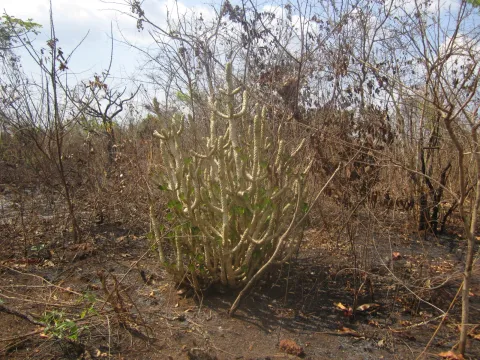
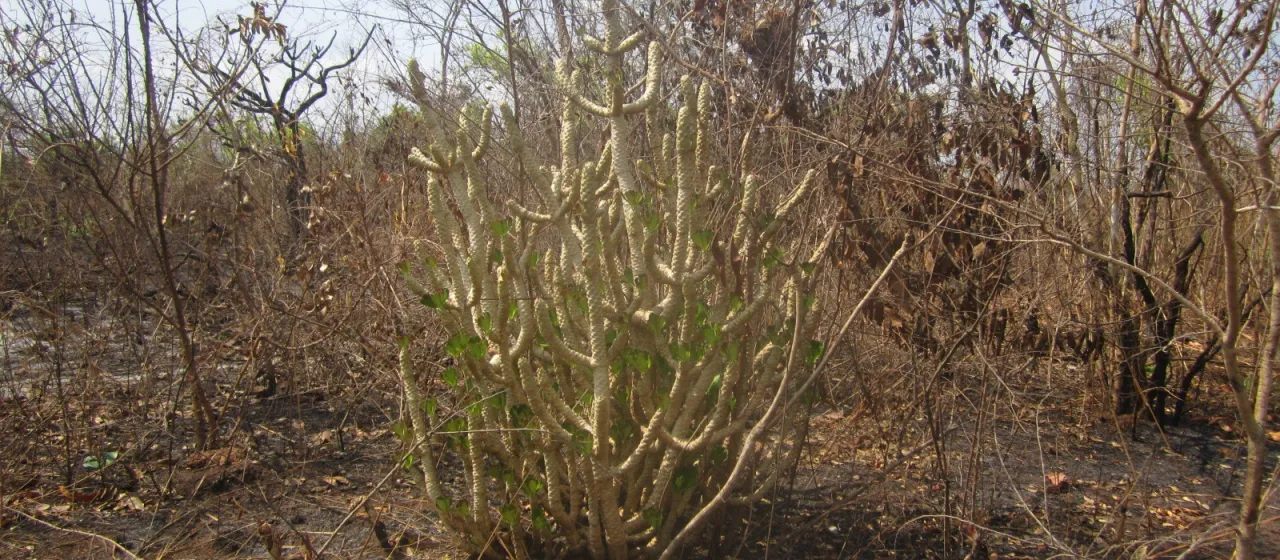
Euphorbia poissonii is a perennial succulent plant species belonging to the Euphorbiaceae family. It is typically characterized as a shrubby plant with thick, fleshy stems designed for water storage, allowing it to thrive in arid tropical environments. It is a distinctive member of the genus Euphorbia, known for its resilience and unique physiological adaptations.
Native to parts of West Africa, specifically northern Nigeria, this plant has adapted to the harsh conditions of the savannah. It is primarily found in regions with seasonal rainfall patterns. While not a conventional food crop, it has gained attention in agricultural research for its biochemical properties and its potential role in integrated pest management systems.
Botanically, Euphorbia poissonii exhibits succulent stems that can grow into small trees or large shrubs under favorable conditions. Its leaves are generally deciduous, emerging during the rainy season. The most significant trait is the presence of an extremely caustic, toxic latex that flows freely from any injury to the plant, serving as a primary defense mechanism against herbivory.
Cultivation requires specific environmental conditions to prevent plant decline. The plant thrives in well-draining, sandy, or rocky soils that prevent root rot. It is a photophilic species, requiring intense sunlight for optimal development. Growers must practice moderate irrigation, allowing the substrate to dry out completely between waterings to mimic its natural environment.
From an agricultural standpoint, Euphorbia poissonii is valued for its latex, which possesses strong insecticidal and molluscicidal properties. Farmers and researchers investigate its use as a bio-pesticide to protect crops from various pests. Due to its toxicity, it is not used for human consumption or forage, and handling requires strict protective measures to avoid irritation of the skin and eyes.
- Always wear gloves and eye protection when handling the latex.
- Common pests include mealybugs and spider mites, which can be managed with systemic insecticides.
- Root decay is the most frequent agricultural concern caused by overwatering.
Photo gallery