Description
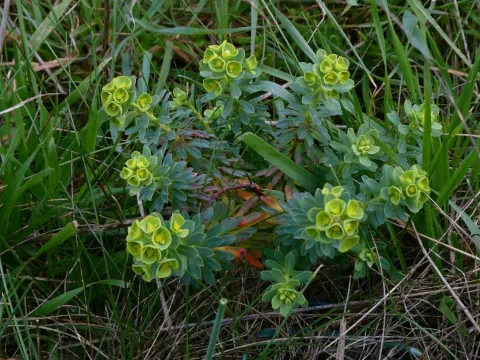
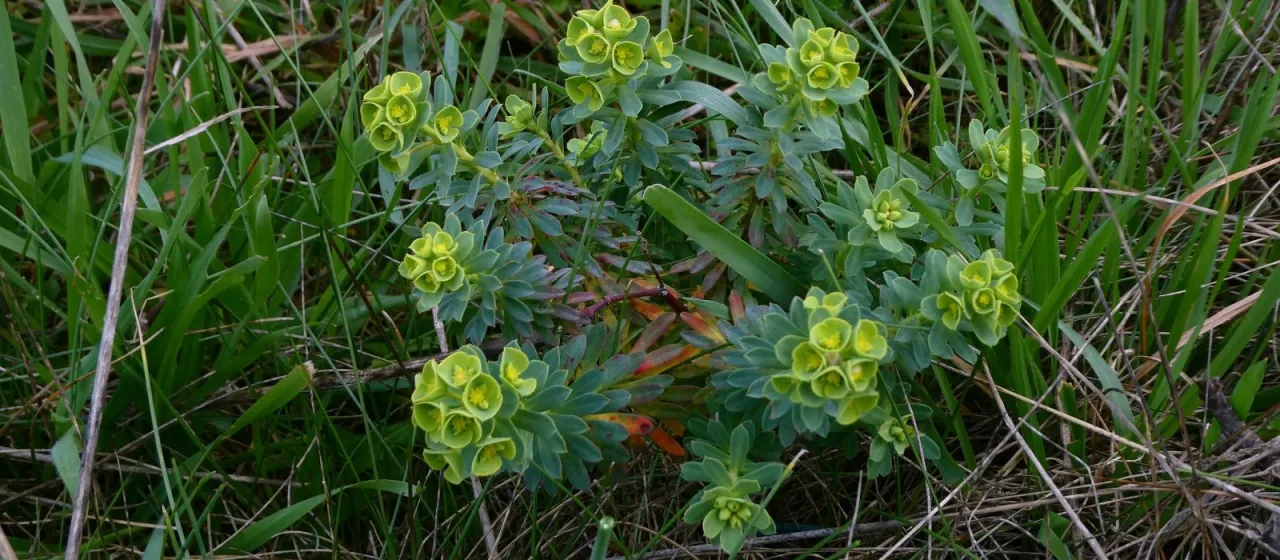
Portland spurge (Euphorbia portlandica) is a herbaceous perennial plant belonging to the Euphorbiaceae family. This species is highly valued for its natural adaptation to coastal environments, making it a robust and durable option for gardens with sandy or poor soil conditions.
The plant originates from the coastal regions of Western and Southern Europe, as well as the Mediterranean basin. In its native habitat, it is commonly found on sand dunes and rocky cliffs. This evolutionary background has endowed the species with exceptional tolerance to saline air and maritime winds, allowing it to thrive where other plants might struggle.
Botanically, Euphorbia portlandica is defined by its branching stems and slender, glaucous foliage. Like other members of the Euphorbia genus, it contains a milky latex sap that acts as a deterrent against herbivores. The plant flowers during spring and early summer, producing small, unique flower structures known as cyathia, which are typical for the family.
Regarding soil and climate requirements, the plant prefers well-drained, sandy, or stony substrates. It is a sun-loving species that requires high levels of light to maintain its compact growth habit. One of the most critical aspects of its cultivation is avoiding moisture retention in the root zone, as poor drainage frequently leads to physiological decline.
In terms of practical usage, Portland spurge is primarily utilized in dry garden landscaping and coastal dune stabilization. Essential management practices include:
- Sowing seeds in well-draining, warm soils during spring.
- Providing minimal supplemental irrigation once the plant is established.
- Ensuring proper spacing to facilitate air circulation around the canopy.
- Avoiding excessive fertilization, as the species is adapted to nutrient-poor soils.
Common health issues include fungal root rot triggered by waterlogged conditions and powdery mildew during humid spells. Pests such as aphids and spider mites can occasionally affect the foliage, particularly in sheltered or drought-stressed conditions. Regular monitoring and maintaining appropriate cultural practices are usually sufficient to keep the plant in healthy condition without the need for intensive chemical controls.
Photo gallery