Description
Winged spurge (Euphorbia pterococca) is an annual herbaceous plant belonging to the diverse Euphorbiaceae family. In an agronomic setting, it is primarily identified as a weed that can infiltrate agricultural lands, orchards, and pastures. Understanding its biological cycle is essential for farmers managing crop quality and preventing the spread of invasive species in arid regions.
The native distribution of this species is largely Mediterranean, encompassing southern parts of Europe, northern Africa, and western Asia. It thrives in open, sunny habitats and is particularly well-adapted to rocky, calcified, and nutrient-poor soils. Its presence is indicative of dry, warm environments where water retention is limited, allowing it to outcompete less resilient flora.
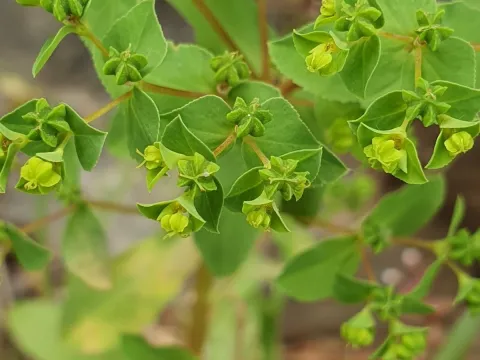
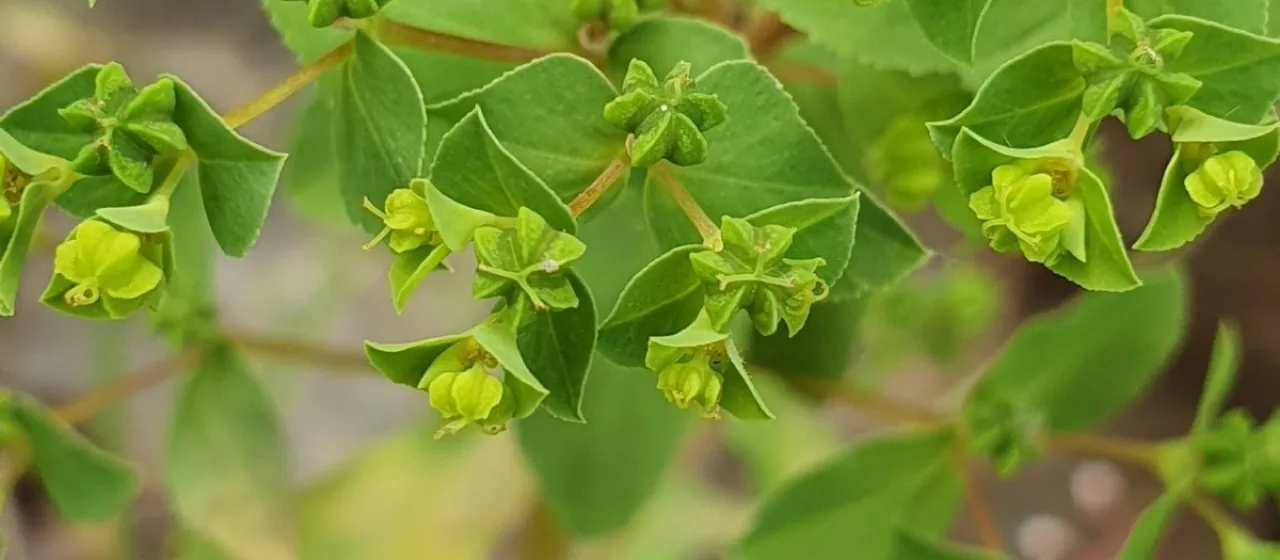
Botanically, Euphorbia pterococca is recognized by its branched stems and distinctive fruits—three-celled capsules adorned with wing-like structures, from which its common name is derived. Like other members of the genus, it contains a potent milky latex. This sap acts as a chemical defense mechanism, making the plant unpalatable and potentially toxic to livestock if ingested in significant quantities.
Regarding cultivation and soil requirements, this species prefers well-drained soils and requires significant solar radiation for development. It struggles in waterlogged conditions and areas with high soil compaction. From an agrotechnical perspective, controlling winged spurge involves systematic crop rotation, timely tillage to disrupt its root system, and the application of selective herbicides during the early stages of its growth cycle.
The economic impact of winged spurge is primarily considered harmful. It provides no significant agricultural utility and represents a risk to animal husbandry due to the toxic nature of its latex. Agronomists focus on monitoring and eradication to maintain the health and safety of livestock feed and to ensure that crop yields are not diminished by the weed’s competition for limited soil nutrients.
- Classification: Annual weed.
- Key morphology: Wing-like structures on the fruit capsules.
- Toxicity: Contains irritant latex.
- Management: Mechanical cultivation and herbicides.
Photo gallery