Description
Euphorbia rapulum, commonly known as the turnip-rooted spurge, is a perennial herbaceous plant belonging to the diverse Euphorbiaceae family. This species is taxonomically distinct due to its specialized tuberous root system, which has evolved to store nutrients and moisture, allowing the plant to thrive in challenging environments.
The native range of this species extends across parts of Southeastern Europe and Western Asia. It is primarily found in arid grasslands, rocky slopes, and open meadows. Because of its evolutionary origin in these dry, sun-drenched habitats, the plant possesses remarkable resilience to prolonged periods of drought and high solar radiation.
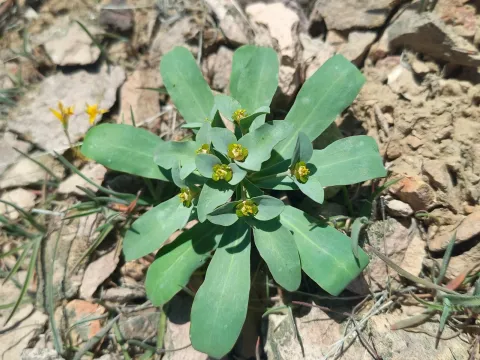
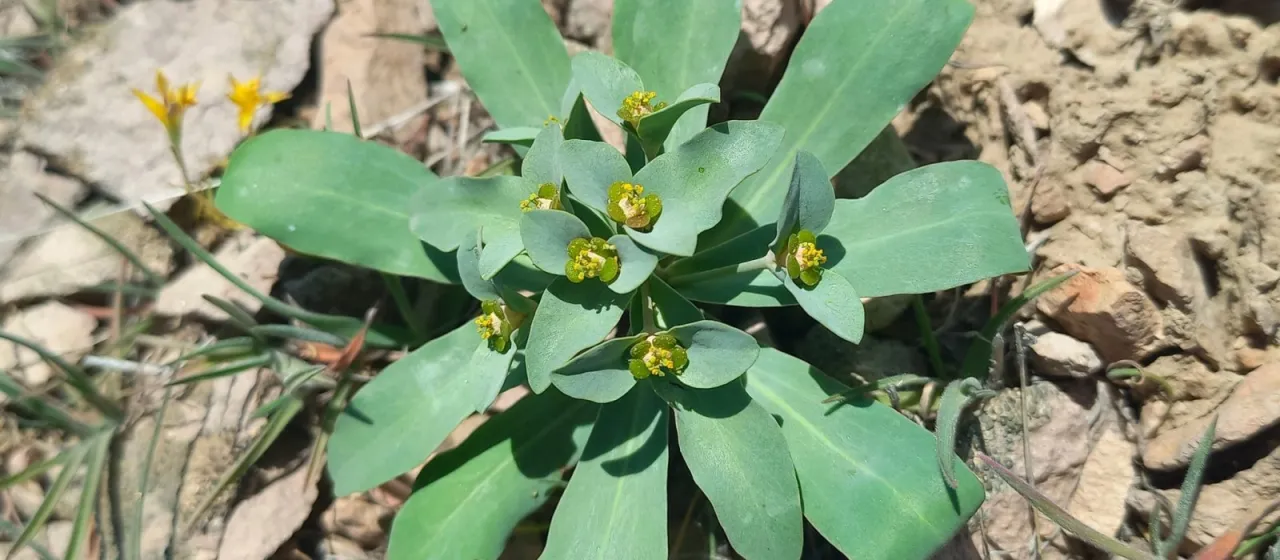
Botanically, Euphorbia rapulum is characterized by its compact habit and the presence of milky latex throughout its tissues. The leaves are typically narrow and lanceolate, while the inflorescences are typical of the genus, featuring cyathia that serve as the main reproductive structures. The root morphology is the most defining trait, acting as a biological battery for the plant.
For successful cultivation, agricultural practitioners should focus on creating conditions that mimic the plant's natural habitat. This includes utilizing sandy or rocky soil mixtures with excellent drainage. Over-watering is the primary risk factor, as the species is highly susceptible to root rot if the soil remains waterlogged for extended periods.
In terms of хозяйственное usage (economic application), this plant is highly valued for xeriscaping and sustainable garden design, as it requires virtually no supplemental irrigation once established. Pests typically include aphids and spider mites, while disease prevention relies mainly on maintaining proper air circulation and soil aeration to prevent fungal infections.
Photo gallery