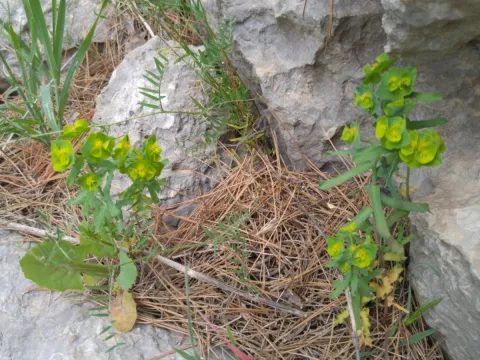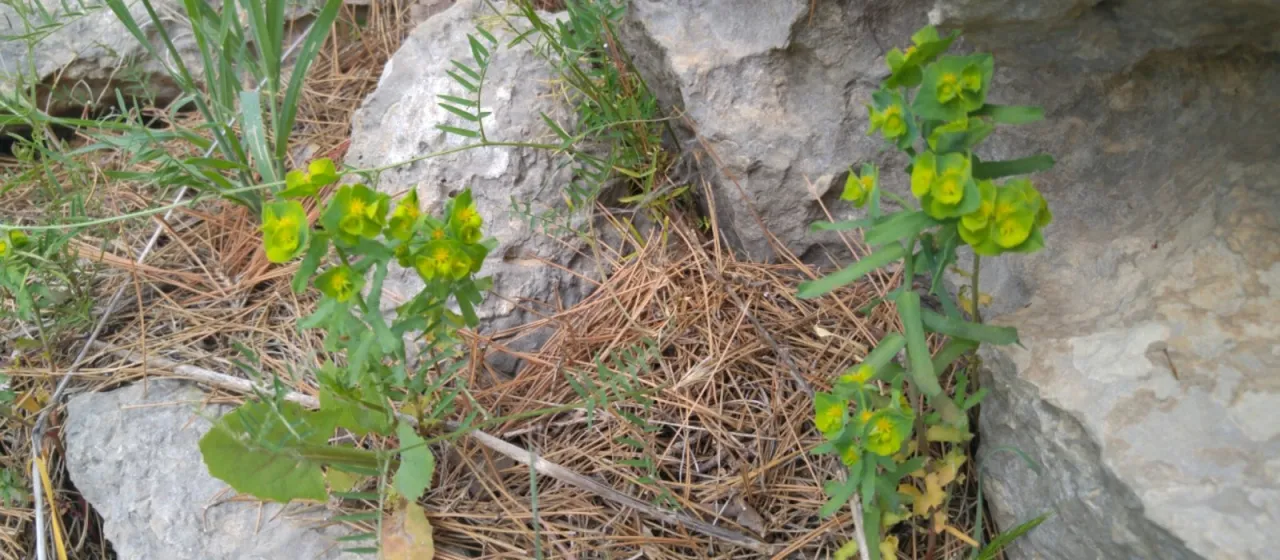
Description
Euphorbia reuteriana is a perennial herbaceous plant belonging to the Euphorbiaceae family. Within the context of specialized horticulture and botany, this species is recognized for its architectural form and adaptability, making it a distinct subject for cultivation in gardens that prioritize sustainability and drought resistance.
The native distribution of the species is primarily centered in the Caucasian region, where it has evolved to thrive in temperate climates with well-drained, often stony substrate conditions. The plant is highly resilient, showing strong performance in exposed, sunny locations, and it remains a point of interest for researchers studying the flora of mountainous regions.
Botanically, the plant develops sturdy, erect stems adorned with lanceolate leaves. Its growth habit is defined by a deep taproot system, which contributes to its exceptional drought tolerance. The inflorescences are characterized by modified leaves (bracts) that surround the small, inconspicuous flowers, providing a unique aesthetic appeal during the spring and early summer months.
Cultivation requirements for Euphorbia reuteriana focus on providing optimal drainage and full sunlight. Soil composition should ideally be lean and sandy to mimic its natural habitat. Overwatering is the most common management error, as the plant is susceptible to crown and root rot when grown in heavy, water-logged soils. Maintenance is minimal, primarily involving the removal of spent flower stalks.
- Requires full sun exposure.
- Prefers well-drained, gritty soil types.
- Moderate drought tolerance once established.
- Minimal fertilization requirements.
The primary horticultural use of this species is in xeriscaping and rock gardens. Regarding pathology, typical issues include fungal root rot triggered by poor drainage. Pests such as aphids and spider mites can occasionally affect the plants during periods of stress, and their management requires regular inspection and the application of appropriate biological or chemical control agents when threshold levels are exceeded.
Photo gallery