Description
Russian spurge (Euphorbia rossica) is a perennial herbaceous plant belonging to the Euphorbiaceae family. This species is recognized for its adaptability to steppe environments and is characterized by a specific chemical composition of its latex, which is typical for the Euphorbia genus.
The plant originates from the steppe and forest-steppe regions of Eastern Europe. Its natural distribution is largely determined by its ability to thrive in well-drained soils and open, sun-exposed habitats, making it a resilient component of its local ecosystem.
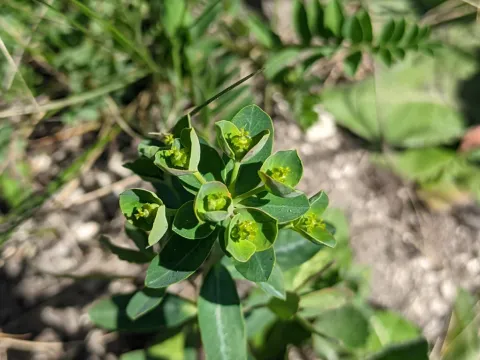
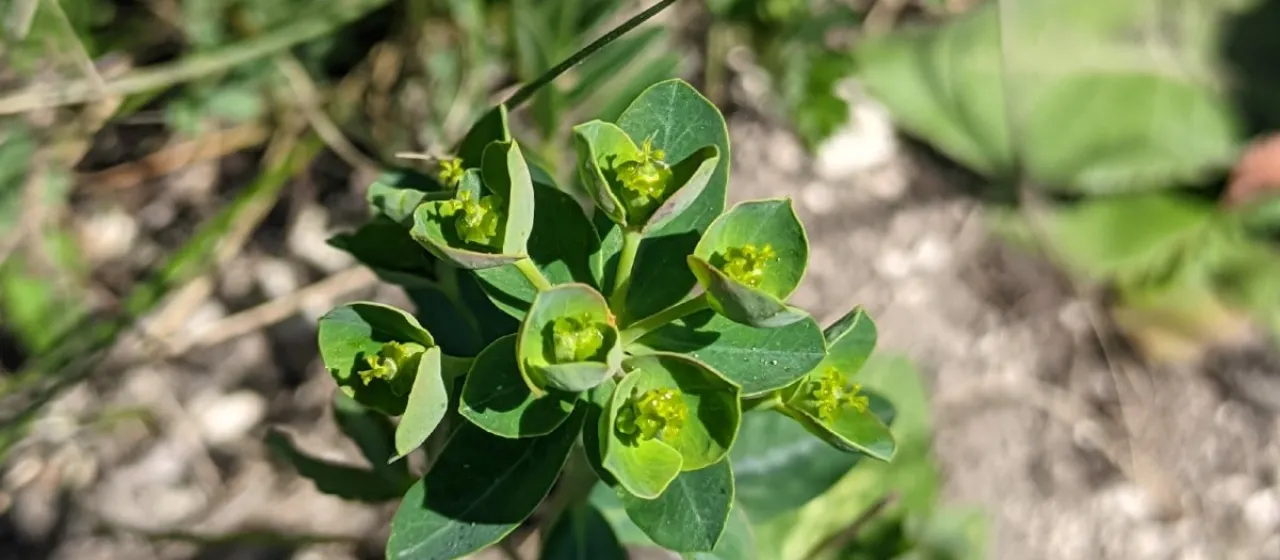
Botanically, it is defined by a sturdy upright stem, narrow leaves, and distinctive floral structures surrounded by bracts. Its root system is deep and efficient, allowing the plant to sustain itself during periods of low precipitation, which is a common occurrence in its native territory.
Agricultural management of Euphorbia rossica focuses on mimicking its natural growth conditions. It requires soils with good drainage and minimal competition from weeds during the establishment phase. It is relatively resistant to common pests, although caution should be exercised due to the irritating nature of the milky sap.
Economic and research interests in Russian spurge primarily revolve around its potential pharmaceutical applications. While not a primary food crop, its bioactive compounds make it a subject of study for biochemical industries. Sustainable harvesting and standardized cultivation practices are essential to maintaining its quality and yield.
Photo gallery