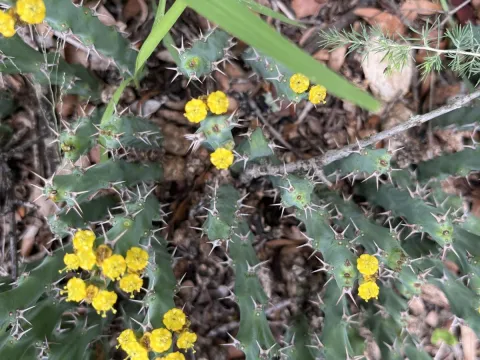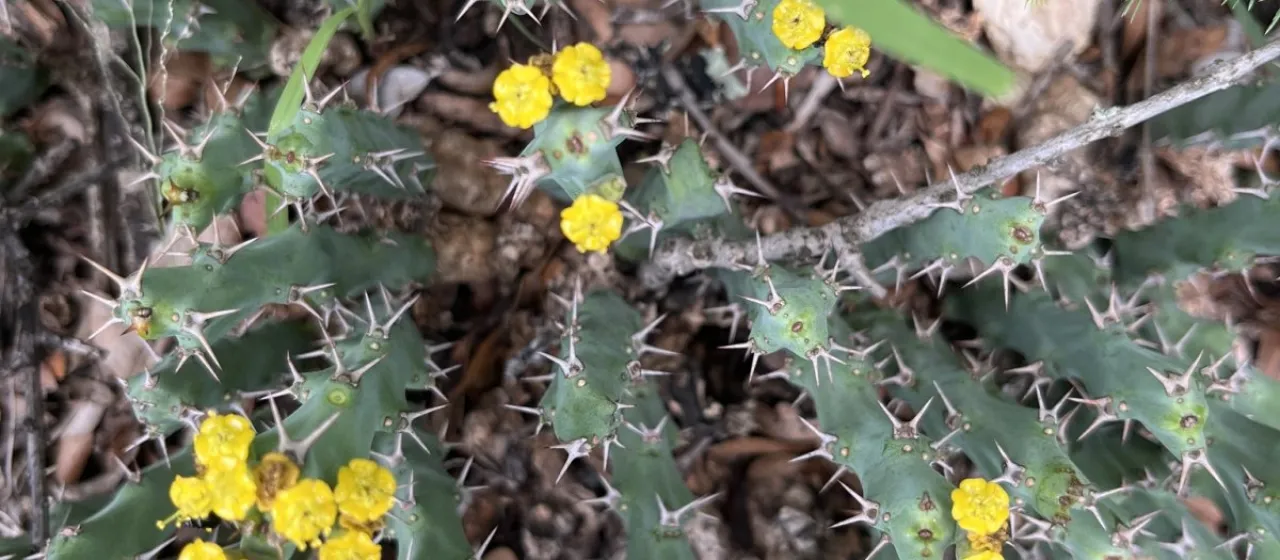
Description
Euphorbia schinzii is a notable perennial succulent belonging to the Euphorbiaceae family. Within botanical and horticultural sectors, this species is recognized for its unique structural characteristics and remarkable resilience in arid environments, making it a subject of interest for specialized agriculture and desert landscaping.
The plant originates from the southern regions of Africa, particularly flourishing in areas such as Botswana and Namibia. Its natural habitat includes rocky slopes and semi-desert landscapes, where the species has evolved to withstand high temperatures and erratic rainfall patterns by developing specialized water-storage mechanisms within its tissues.
Botanically, Euphorbia schinzii features succulent, often ribbed stems that serve as the primary photosynthetic organs. Like many members of the Euphorbia genus, it produces a milky latex sap. This substance acts as an efficient chemical defense against herbivores, although it requires handlers to exercise caution, as the sap is known to be a skin and eye irritant.
In terms of agricultural requirements, the species demands highly porous, well-draining soil to prevent root rot, which is the most common cause of failure in cultivation. It thrives in conditions that mimic its native climate: strong sunlight, excellent air circulation, and a strict watering regimen that avoids waterlogging during dormant periods.
- High demand for bright, direct light exposure.
- Essential need for a gritty, fast-draining substrate.
- Avoidance of irrigation during the cool, dormant season.
- Safety precautions regarding the toxic milky sap.
Economically, Euphorbia schinzii is utilized primarily in ornamental horticulture and the global succulent trade. While it is naturally hardy, growers must remain vigilant against potential issues such as mealybugs or fungal rot caused by high humidity. Providing stable environmental conditions is the key to ensuring the longevity and health of this unique succulent species in cultivation.
Photo gallery