Description
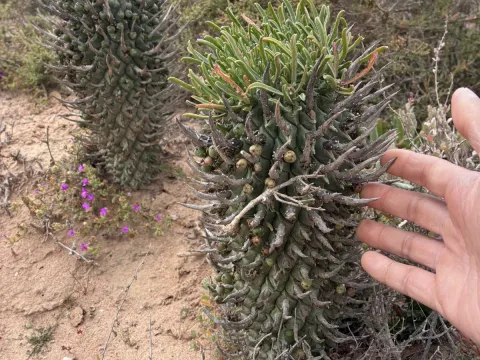
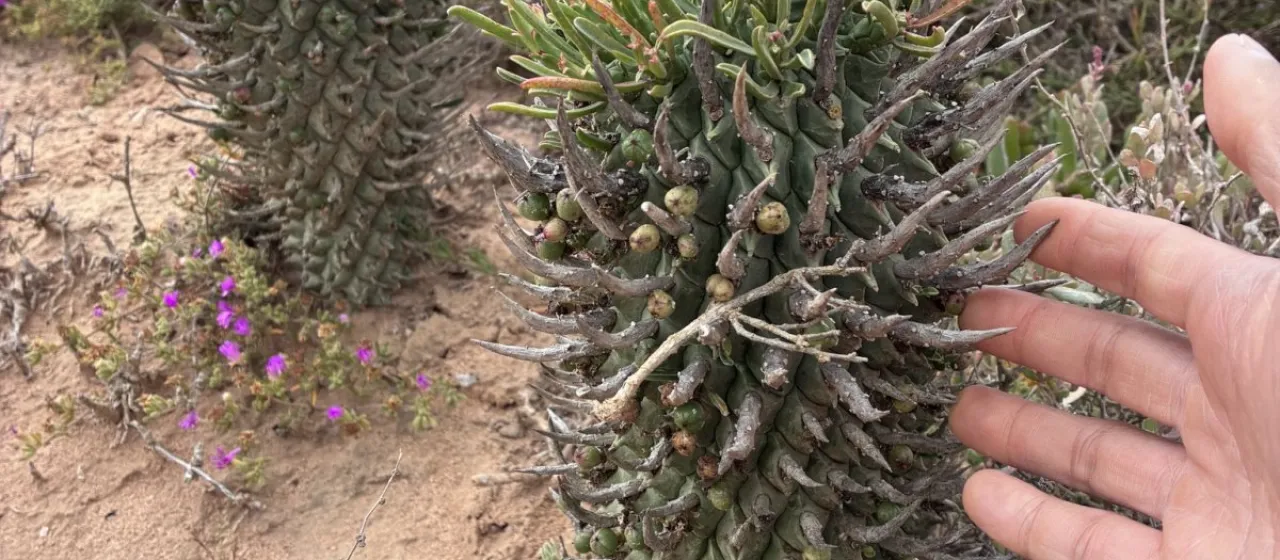
Euphorbia schoenlandii is a fascinating succulent shrub belonging to the Euphorbiaceae family. Renowned for its unique, spiny, and fleshy stem architecture, this plant serves as a distinct highlight for botanical collections, often sought after by enthusiasts of rare xeric vegetation.
The species originates from the arid regions of Southern Africa, specifically the Cape provinces. In its native habitat, it grows primarily on rocky slopes, enduring harsh environmental conditions characterized by extreme heat, intense solar radiation, and limited moisture, which has shaped its specialized survival mechanisms.
Botanically, this succulent features a robust, cylindrical stem densely armed with spines. Its foliage is ephemeral, appearing during wetter cycles and dropping off during prolonged drought periods to conserve water. The root system is highly efficient at extracting moisture from coarse, well-draining mineral-rich soils.
Cultivation requires careful attention to soil composition, which must be extremely porous to avoid root rot. During the growing season, moderate watering is necessary, while the dormant winter phase requires a strict "dry-out" period. Bright, filtered light is essential to maintain the plant's structural integrity and prevent etiolation.
The plant is mainly used in ornamental landscaping and indoor horticultural displays. Common pests include spider mites and mealybugs, which thrive in stagnant air. As with many Euphorbias, the plant contains a milky, caustic sap, so protective gear is recommended during handling or propagation to prevent skin irritation.
Photo gallery