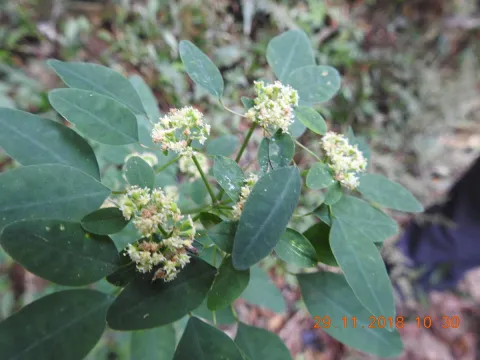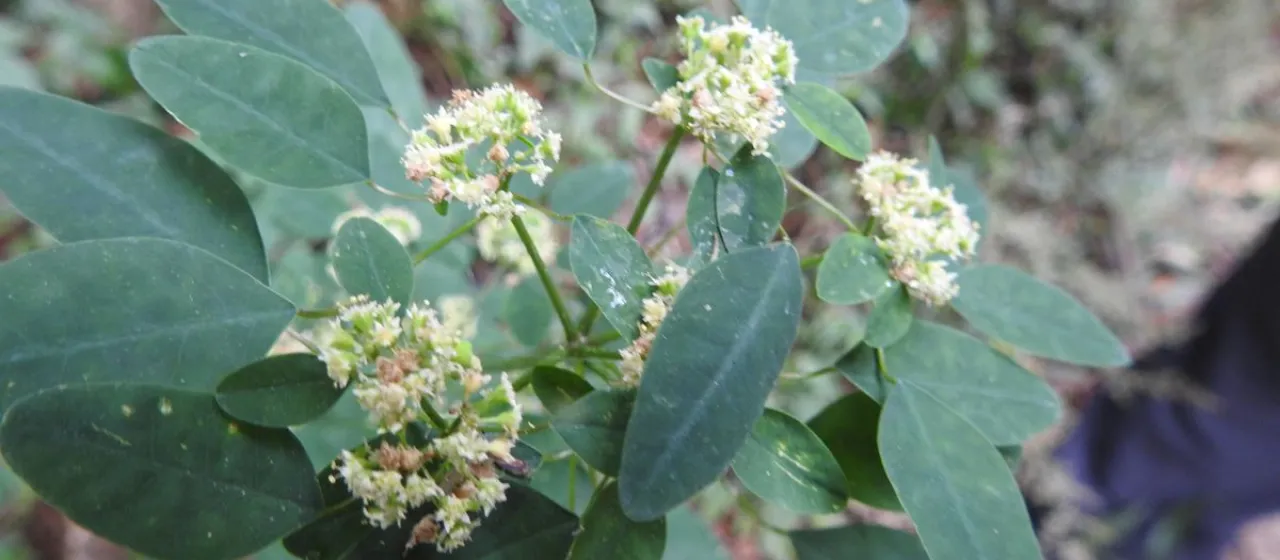
Description
Euphorbia segoviensis is a perennial succulent belonging to the diverse family Euphorbiaceae. Recognized for its unique physiological adaptations, this plant has gained attention as a resilient crop species capable of thriving in arid and semi-arid environments where water availability is a limiting factor for most conventional agricultural practices.
Originating from regions with distinct drought cycles, the species is naturally adapted to porous, stony, or sandy substrates. Its native range highlights an evolution geared toward efficient water retention and energy conservation. In an agricultural context, selecting the right site is crucial: the soil must possess excellent drainage characteristics to prevent root asphyxiation during periods of sudden rainfall.
The botanical structure of Euphorbia segoviensis includes specialized tissues for moisture storage within its stems and a deeply penetrating root system. Its leaves are structurally adapted to minimize water loss, exhibiting a leathery texture often covered in a cuticular layer. These features enable the plant to maintain metabolic activities even when soil moisture levels are critically low.
Agricultural management for this species is relatively low-input compared to standard crops. Primary requirements involve full exposure to sunlight and protection from prolonged cold snaps. Soil amendments should be handled with caution, as high levels of organic nitrogen can encourage pathogenic microbial activity in the root zone. Regular pruning and maintenance of stand density are essential to ensure proper air circulation.
The primary agricultural interest in this species lies in its secondary metabolites found within the latex, which are of significant interest for chemical and pharmaceutical research. While the plant is inherently resistant to many common pests, growers must stay vigilant against indoor and greenhouse pests like mealybugs and spider mites, especially in intensive cultivation environments.
Photo gallery