Description
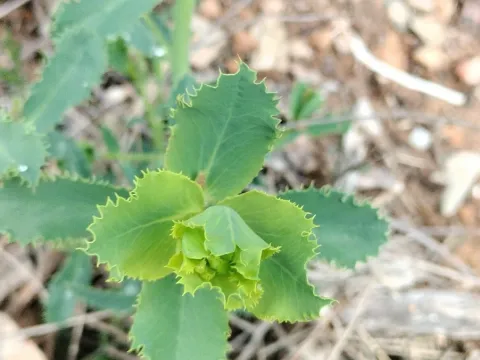
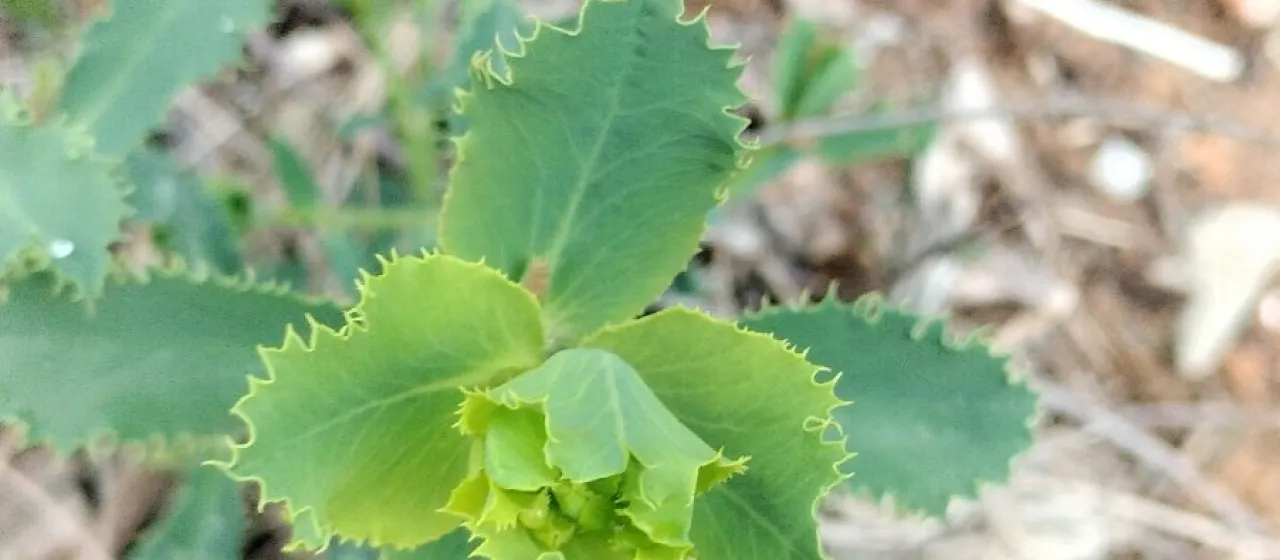
Sawtooth spurge (Euphorbia serrata) is a perennial herbaceous plant belonging to the Euphorbiaceae family. This species is recognized for its unique serrated leaf margins and its remarkable resilience to harsh environmental conditions, making it a subject of interest in specialized horticultural and industrial applications.
The plant originates from the Mediterranean region, extending across Southern Europe and North Africa. It has evolved in environments with hot, dry summers and mild winters, which dictates its preference for well-drained, sandy, or stony substrates. In an agricultural context, it is considered a drought-tolerant species that requires minimal intervention.
Botanically, the plant features erect stems that typically grow up to 50 centimeters. It is characterized by its milky latex, which acts as a deterrent to herbivores. The inflorescences are typical of the Euphorbia genus, forming cyathia with yellow bracts that provide a distinct visual appeal during the blooming season in late spring and summer.
When cultivating sawtooth spurge, site selection is crucial. It requires full sun exposure and excellent soil drainage. Heavy clay soils are generally unsuitable as they lead to root rot. Irrigation should be managed sparingly, as the plant is highly adapted to water scarcity and can suffer physiological distress from excessive moisture.
- Excellent heat and drought tolerance
- Low maintenance requirements
- Resilience against many standard agricultural pests
- Useful for xeriscaping and ecological stabilization
Economically, the plant is primarily utilized in ornamental horticulture due to its aesthetic structure and hardiness. Research into its chemical constituents, specifically the diterpenes in its latex, continues to be an area of pharmaceutical interest. Farmers should be aware that the latex is caustic and can cause skin irritation, thus requiring protective gear during maintenance. Diseases are rare, provided the plant is kept away from stagnant water environments.
Photo gallery