
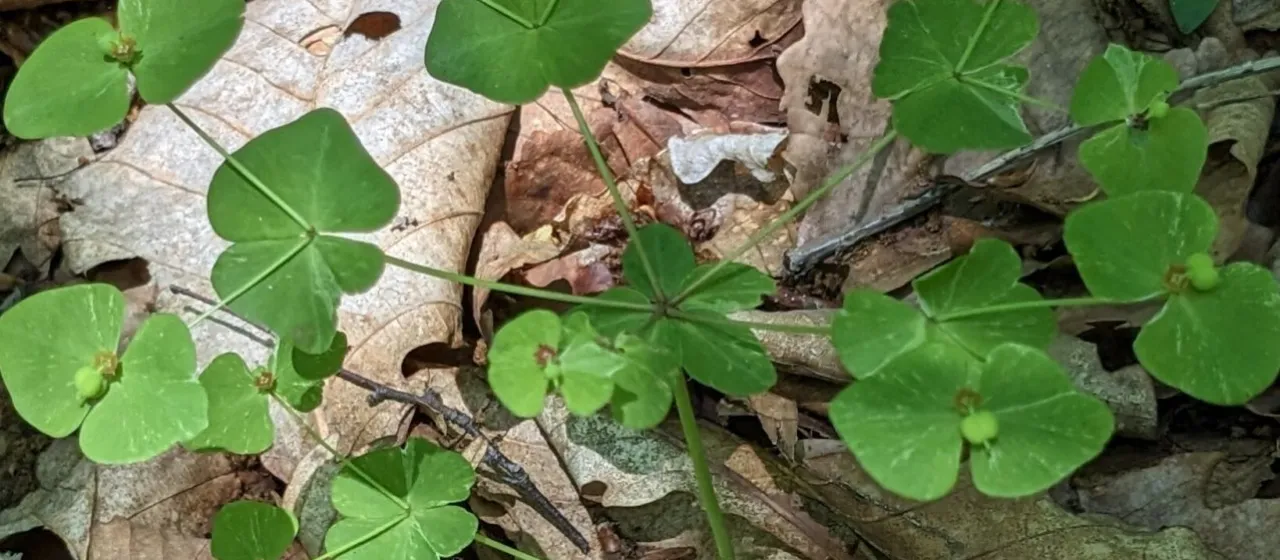
Description
Siebold's spurge (lat. Euphorbia sieboldiana) is a herbaceous perennial plant belonging to the Euphorbiaceae family. This species is recognized for its unique physiological traits and its historical and medicinal significance within its native distribution range.
The native habitat of Euphorbia sieboldiana spans across East Asia, predominantly in Japan, Korea, and China. In these regions, the plant typically inhabits forest margins and moist slopes. Its ability to adapt to varying light conditions makes it a versatile species in specific temperate agricultural environments.
Botanically, Siebold's spurge is identified by its upright stems, which can grow up to 60 cm in height, and alternate lanceolate leaves. Like other members of the Euphorbia genus, the plant contains a milky latex that serves as a chemical defense mechanism against various pests and herbivores in the field.
Successful cultivation requires soil that is well-drained and rich in organic matter. While the plant is relatively resilient, it performs best in neutral to slightly acidic soil conditions. Effective agricultural practices should focus on maintaining adequate aeration and preventing waterlogging, which is the primary cause of root rot in this species.
In terms of usage, Siebold's spurge is primarily utilized in medicinal research and ornamental horticulture. The plant contains a variety of bioactive metabolites that are studied for their pharmacological potential. When managed correctly, it serves as a robust addition to nursery stocks and research gardens focused on unique Asian flora.
- Requirement for well-drained loamy soil
- Tolerance to partial shade conditions
- Risk of fungal infections in high-humidity environments
- Propagation through rhizome division and seeds