Description
Euphorbia silenifolia is a perennial succulent plant belonging to the diverse Euphorbiaceae family. This species is characterized by its significant subterranean caudex, which serves as a vital storage organ for water and nutrients, enabling the plant to thrive in the arid conditions of its native habitat in South Africa.
The geographical origin of Euphorbia silenifolia is primarily located in the Cape provinces of South Africa. It grows in rocky, semi-arid environments where it has evolved to endure seasonal droughts. The plant's survival strategy involves shedding its aerial growth during harsh periods and retreating into its thickened rootstock until favorable conditions return.
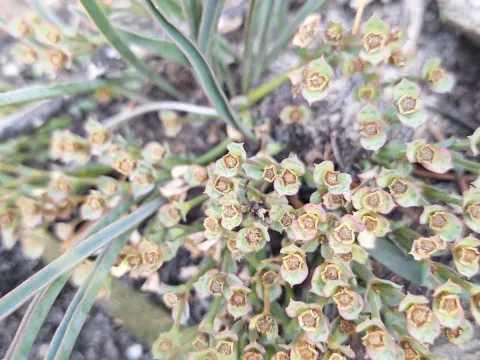
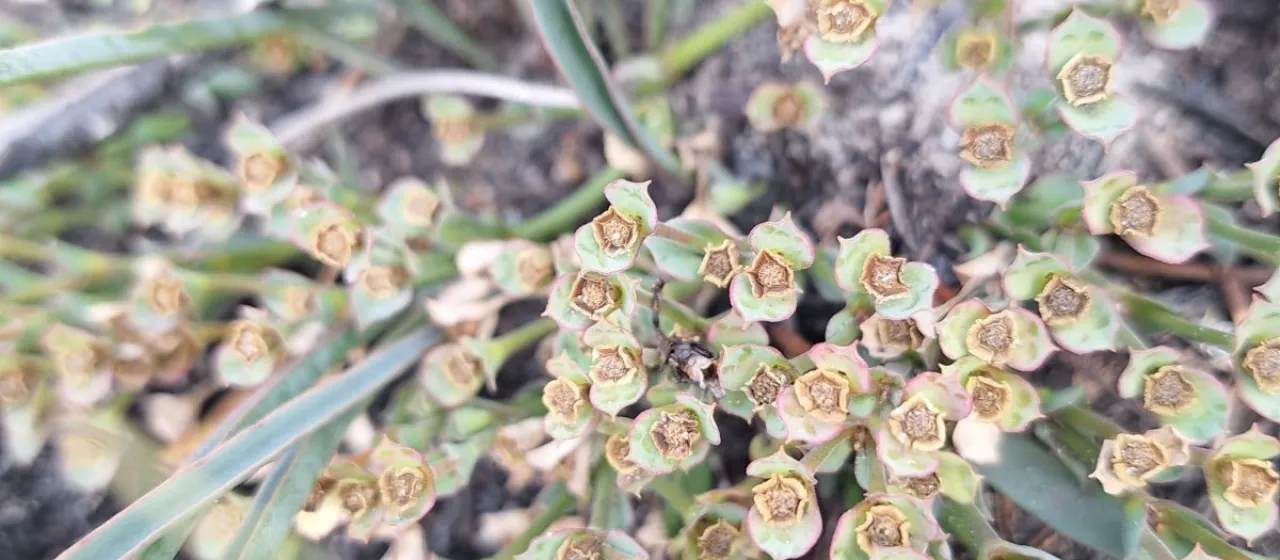
Botanically, this species is noted for its grass-like or silene-like leaves, which distinguish it from many other bulky Euphorbia species. The plant typically features slender stems that emerge from the ground, providing a unique architectural appearance. Its growth cycle is highly responsive to moisture availability and ambient temperature fluctuations, typical of the Mediterranean-influenced climate of its origin.
In terms of cultivation, Euphorbia silenifolia requires highly specific soil conditions to replicate its natural habitat. A fast-draining, mineral-based substrate is essential. Growers should prioritize coarse sand, grit, and minimal organic matter to prevent root rot, which is the most significant danger to the survival of this delicate caudex-forming plant.
- Excellent drainage is critical to avoid crown rot.
- Bright, indirect light is preferred over intense full sun.
- Careful observation of dormancy phases is necessary for watering.
- Periodic monitoring for sap-sucking pests like mealybugs.
The primary use of Euphorbia silenifolia is ornamental, catering to succulent enthusiasts and botanical institutions. Its compact size and unusual underground storage structure make it a highly desirable subject for container gardening and specialized xeriscape collections where biodiversity and unusual plant forms are showcased.
Regarding plant health, the species is susceptible to various fungal pathogens if the root environment becomes stagnant or overly humid. Pests such as mealybugs and spider mites are typical challenges in indoor or greenhouse cultivation. Implementing good hygiene, proper spacing for airflow, and systemic preventative measures are recommended to ensure long-term plant health.
Photo gallery