Description
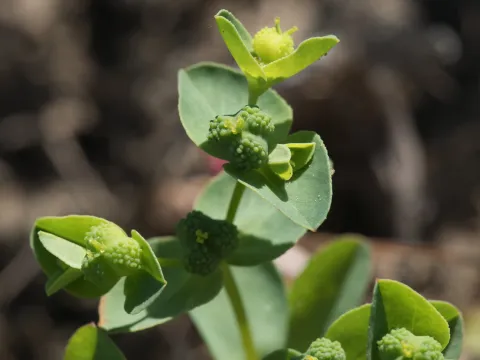
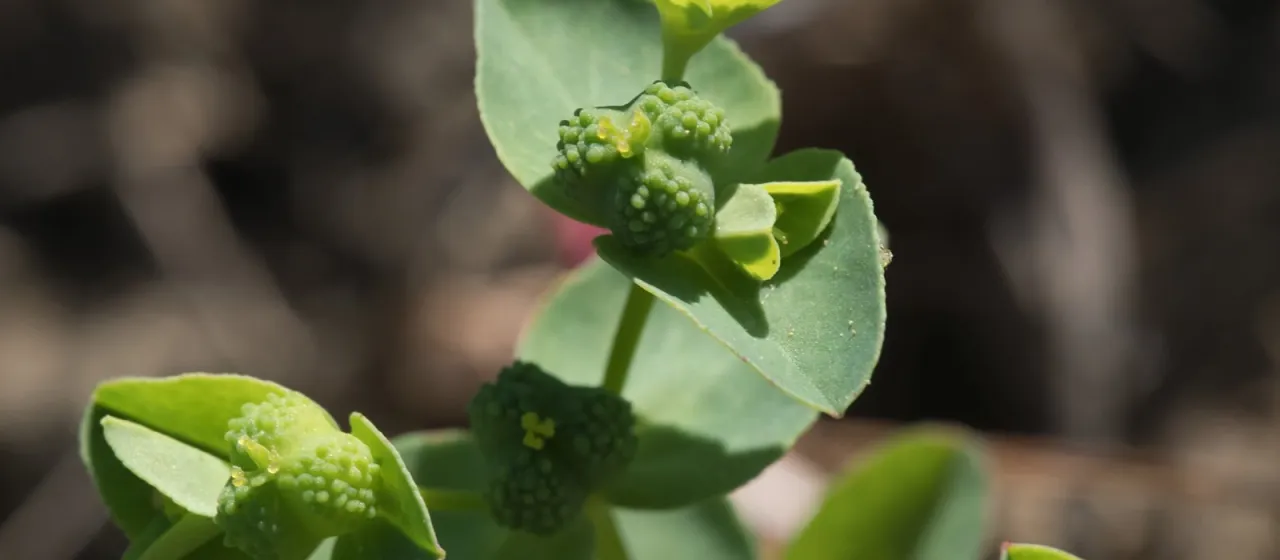
Spoon-leaved spurge (Euphorbia spathulata) is an annual herbaceous plant belonging to the Euphorbiaceae family. In agronomy, it is primarily recognized as a persistent weed species that can invade cultivated lands, pastures, and disturbed soil environments, competing significantly with agricultural crops.
The species is native to North America, where it is widely distributed across various ecological zones. Its natural range includes a variety of soil types and moisture conditions, allowing it to act as an invasive weed in diverse agricultural landscapes, from field edges to intensive production zones.
Botanically, the plant is characterized by its spoon-shaped (spathulate) leaves and its capacity for rapid vegetative and generative development. It produces characteristic cyathia inflorescences and, like other members of the genus, contains a milky latex sap that serves as a chemical defense mechanism against herbivores.
Regarding cultivation requirements, the plant is highly resilient and thrives in full sun with minimal nutrient or water inputs. Its agricultural management relies on preventative measures such as crop rotation, timely tillage to disrupt the lifecycle before seed production, and the application of selective post-emergence herbicides.
- Requires moisture-free harvest conditions to minimize seed spread.
- Effective in competitive exclusion within low-density crops.
- High tolerance for degraded or nutrient-poor soil substrates.
The economic impact is primarily seen in the reduction of crop yields through competition for sunlight, nutrients, and moisture. Furthermore, Euphorbia spathulata serves as a potential reservoir for various viruses and pathogens, which can be transmitted to crops via insects, thus increasing the cost of plant protection programs.
Photo gallery