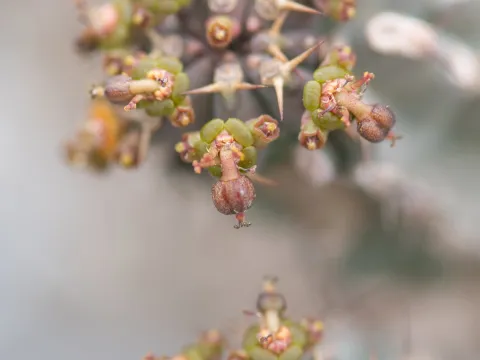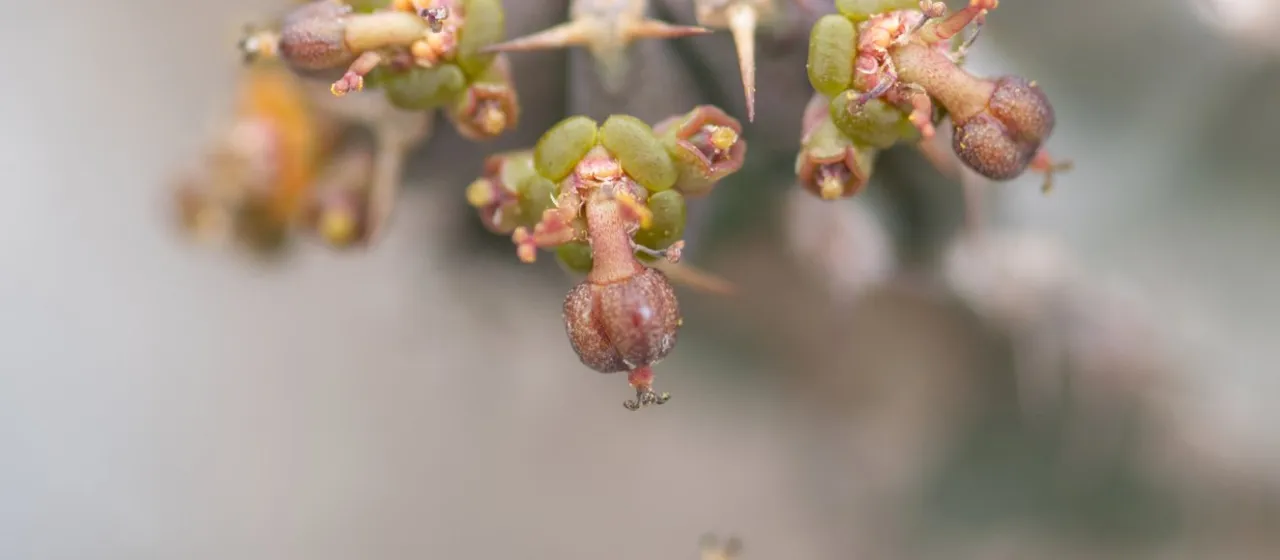
Description
Spiral Euphorbia (Latin: Euphorbia spiralis) is a distinctive succulent species belonging to the large Euphorbiaceae family. In the context of horticultural crop production, it is highly regarded for its unique architecture and physiological resilience to arid growing conditions, making it an interesting specimen for specialized agriculture.
The plant originates from the arid regions of Africa, where it has evolved specific adaptations to survive in harsh, low-rainfall environments. In its natural range, it typically occupies rocky outcrops and sandy plains with low nutrient density. Cultivation is primarily conducted within greenhouses and botanical environments that replicate these specific semi-desert conditions.
Botanical traits of this crop include a succulent, ribbed stem arranged in a distinct spiral pattern, which serves as a water storage organ. Like many members of its family, it contains a milky latex that acts as a natural deterrent against herbivores. Its structural morphology is perfectly optimized to minimize water loss, a key factor in its successful survival in nature.
Agronomic requirements emphasize the need for excellent drainage and high light intensity. The substrate must be porous, typically composed of sandy or rocky components to prevent moisture retention. Over-irrigation is the primary cause of crop failure, as the root system is highly sensitive to hypoxia and fungal rot when exposed to consistently wet conditions.
Commercial and scientific utility of the species remains largely focused on the niche plant market and botanical research. To maintain crop health, it is essential to monitor for pests such as mealybugs, which are the most common threat. Maintaining optimal ventilation and avoiding physical trauma to the stem helps in preventing the onset of rot and other typical pathogenic diseases.
Photo gallery