
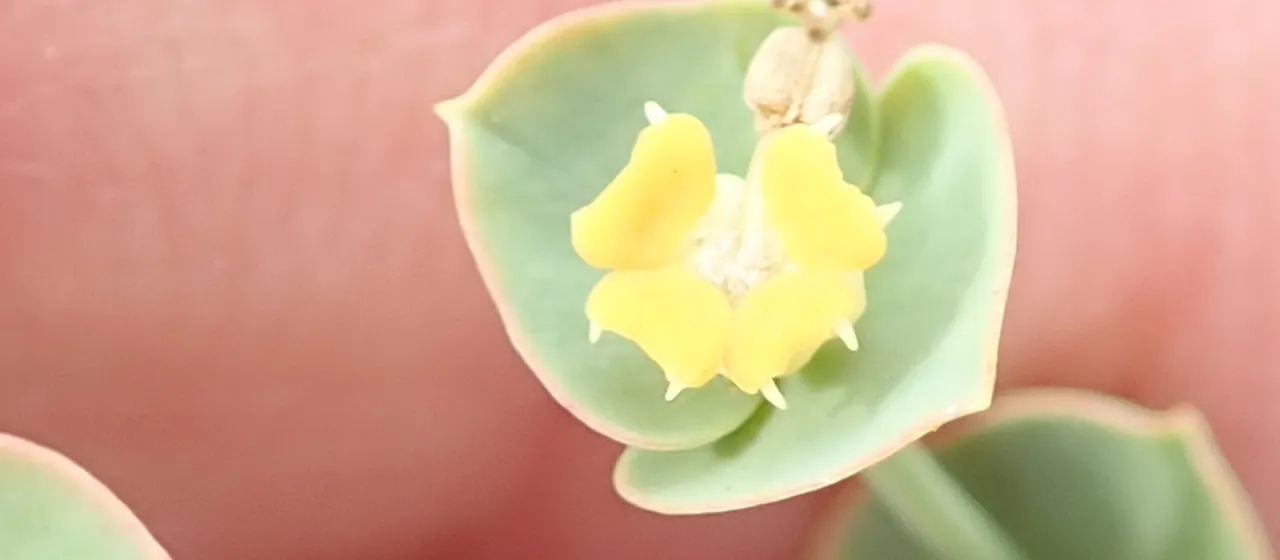
Description
Euphorbia striata, commonly known as Striped Spurge, is a perennial herbaceous plant belonging to the Euphorbiaceae family. This species is recognized for its unique succulent characteristics and high level of resilience in harsh environments, making it a subject of interest for specialized agricultural and horticultural practices.
Originating from the arid regions of Africa, this plant has adapted to survive in environments where rainfall is scarce and solar radiation is intense. Its historical range allows it to be successfully introduced in Mediterranean or arid climates where traditional high-water-demand crops fail to thrive.
Botanically, the plant is characterized by its distinctively striped stems and fleshy foliage designed for water retention. It possesses a robust root system capable of penetrating dense or stony substrates. Its physiological efficiency in nutrient uptake allows it to survive in soil types that are generally considered marginal or poor.
Regarding agronomic requirements, Euphorbia striata demands excellent soil drainage and a sunny, open location. Over-irrigation is the primary cause of plant failure, so the soil structure must allow for rapid moisture dissipation. The culture is sensitive to frost, requiring moderate to warm temperatures throughout the active growth phase.
The primary use of Euphorbia striata lies in sustainable landscape management and experimental dry-land vegetation. Farmers and horticulturists must monitor the crop for potential threats, including root rot caused by stagnant water and infestations of pests like mealybugs, which are common in arid-adapted Euphorbia species. Proper ventilation and soil aeration are critical for preventing most pathogenic outbreaks.