Description
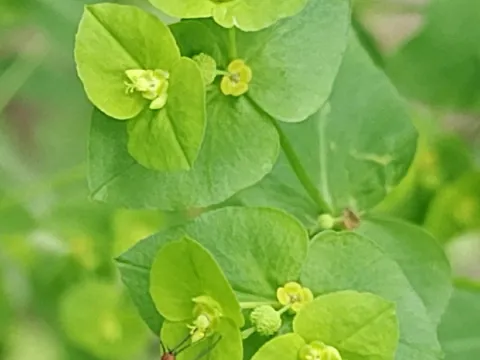
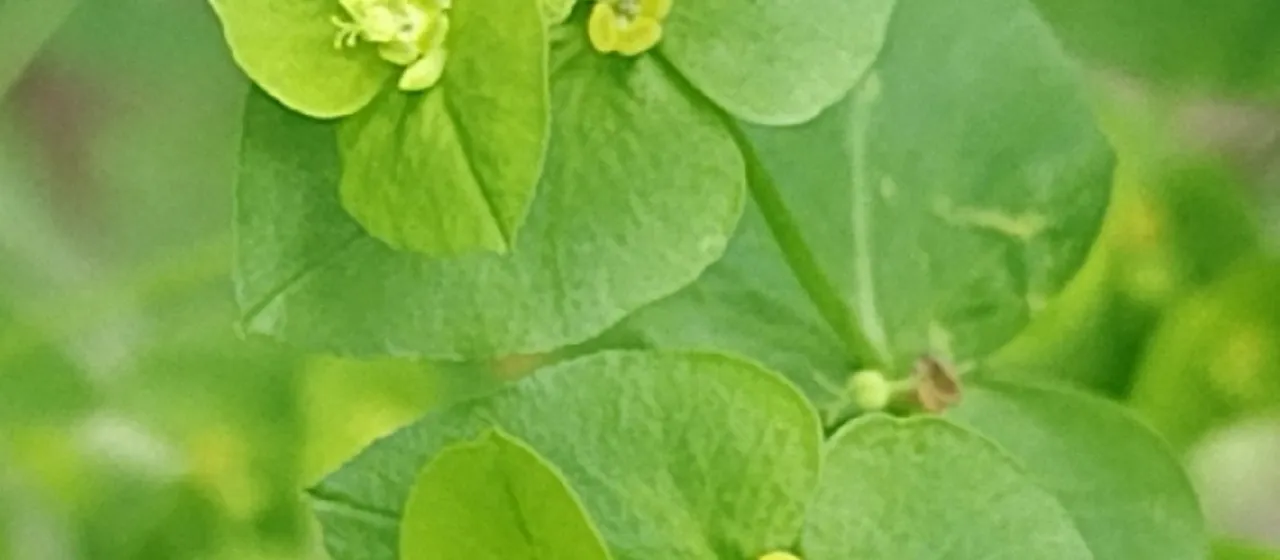
Upright spurge (Euphorbia stricta) is an annual herbaceous plant belonging to the large and diverse Euphorbiaceae family. In an agricultural context, it is frequently identified as a weed that infests cultivated fields, pastures, and disturbed lands, often competing with main crops for sunlight, soil nutrients, and moisture.
The origin of Euphorbia stricta is associated with temperate regions of Europe and Western Asia. It thrives in diverse habitats ranging from meadows and forest edges to intensively managed farmland. Its adaptability to various soil types, particularly those with good moisture retention, makes it a resilient plant that can persist in modern agricultural environments if left unchecked.
From a botanical perspective, the plant is characterized by an upright, often branched stem that can reach heights of up to 60 centimeters. It features simple, lanceolate leaves and the characteristic white milky latex in the stems and leaves, which acts as a deterrent against herbivores due to the presence of secondary metabolites. The inflorescences are typical of the genus, presenting as complex clusters of small flowers.
Agronomically, upright spurge requires well-drained, fertile soil to reach its full reproductive potential. Effective management strategies involve a combination of chemical and mechanical control. Since the plant relies heavily on seed production for annual recruitment, preventing it from flowering and releasing seeds is crucial for long-term population reduction in cropped fields.
Regarding its utility, upright spurge has little to no positive economic value in agriculture. Due to the toxic nature of its latex, it is considered a harmful contaminant in forage and hay. It does not provide any significant benefits as a fodder crop and is generally managed as a nuisance weed that requires integrated pest management (IPM) to mitigate its negative impact on crop yields.
Key management strategies include:
- Regular mechanical cultivation during the early stages of plant growth.
- Strategic use of herbicides approved for the specific crop variety.
- Implementation of robust crop rotation programs to disrupt weed cycles.
- Thorough cleaning of agricultural machinery to prevent seed dispersal between fields.
Photo gallery