Description
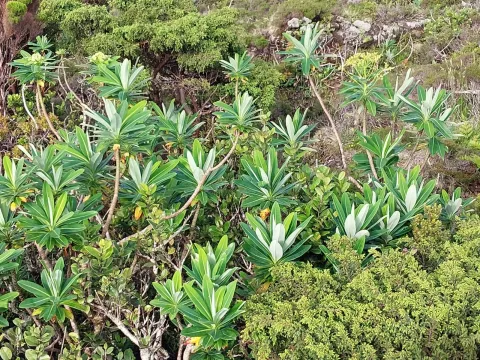
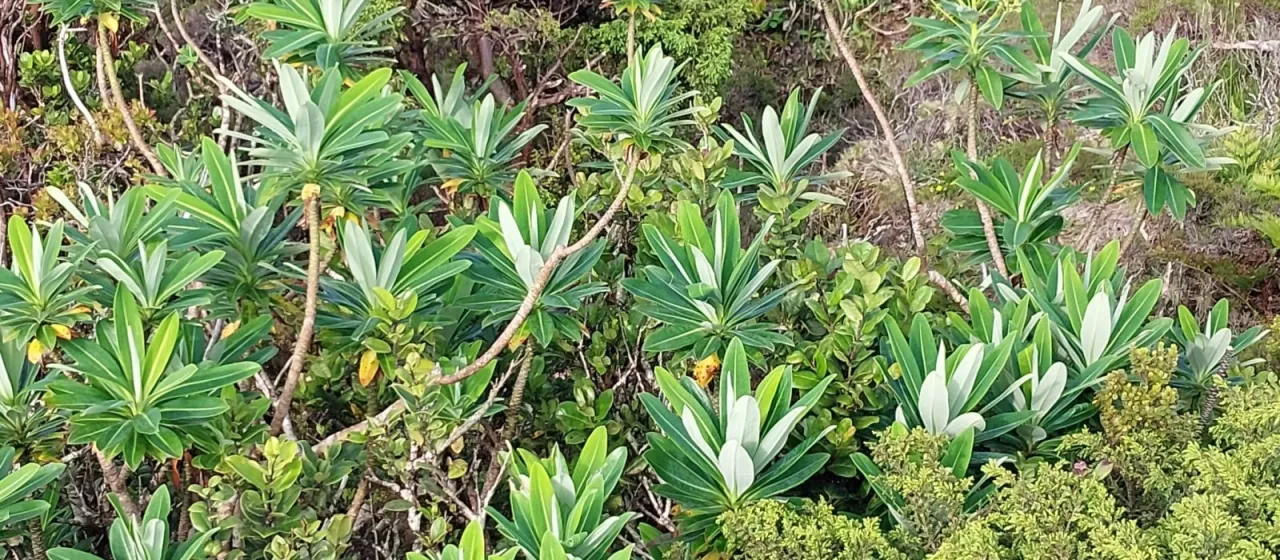
Stygian spurge (Euphorbia stygiana) is a unique evergreen shrub belonging to the diverse Euphorbiaceae family. This species is highly valued in specialized horticulture for its structural growth pattern and its rarity, being a distinct representative of the spurge genus.
The species is endemic to the Azores, where it is found in specific high-altitude forest habitats. Due to its restricted natural distribution, the plant has evolved to thrive in environments with consistent moisture levels and mild temperature regimes, which are critical factors to replicate when cultivating this crop outside its native habitat.
Morphologically, Euphorbia stygiana displays a bushy habit with leathery, lanceolate leaves arranged along thick, often woody stems. The floral structures, known as cyathia, emerge in bright yellow-green clusters, providing a striking visual appeal during the peak of the growing season.
Cultivation requires careful soil management: the substrate must be highly permeable to ensure excellent drainage, as the roots are prone to rot if subjected to waterlogging. It performs best in partial shade, mimicking the forest canopy of its origin, and requires a stable, frost-free environment to maintain its evergreen foliage throughout the year.
In terms of usage, the plant is primarily utilized in botanical collections and high-end landscape design projects. Agricultural practices must include precautions regarding the plant's milky sap, which contains compounds that can cause significant skin irritation and should be handled with caution during pruning or propagation tasks.
- Light requirements: Bright, indirect sunlight.
- Soil type: Well-draining, nutrient-rich, neutral pH.
- Temperature range: 15°C to 22°C (avoid frost).
- Propagation: Primarily through vegetative cuttings or seeds.
Photo gallery