Description
Euphorbia sulcata, commonly known in botanical circles as the furrowed spurge, is an annual herb that belongs to the extensive Euphorbiaceae family. This species is recognized for its adaptive features which allow it to thrive in the challenging environmental conditions of the Mediterranean region.
The geographic range of this plant is primarily situated around the Mediterranean Basin, spanning Southern Europe and Northern Africa. It is characteristically found in arid environments, rocky slopes, and degraded landscapes where it competes effectively as a pioneer species on dry, nutrient-poor soil substrates.
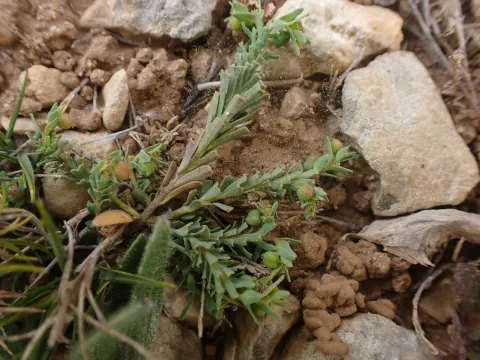
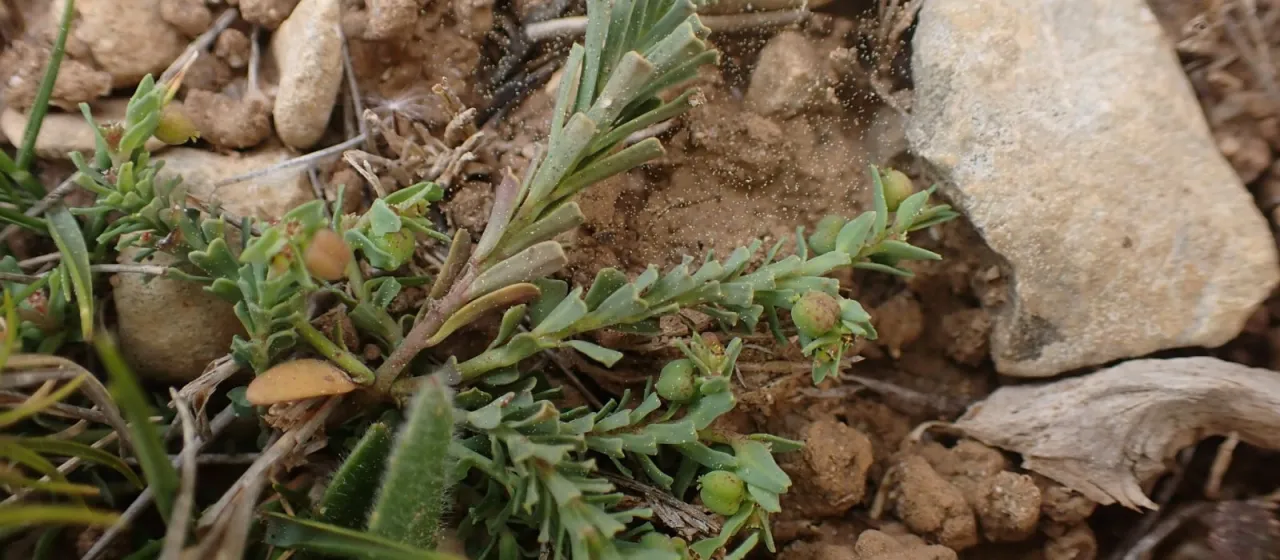
Botanically, Euphorbia sulcata is distinguished by its erect, branched stems that display a unique furrowed (grooved) texture, justifying its specific epithet. The plant produces cyathia—specialized inflorescences typical of the genus—and is characterized by a high degree of phenotypic plasticity, adapting its growth cycle to the local precipitation patterns of its habitat.
From an agricultural perspective, the management of this species is complex. It prefers well-drained, sandy, or rocky soils and requires full sun exposure to flourish. It has very low tolerance for waterlogged soils and high humidity, which can lead to fungal pathogens affecting the root system. Due to the presence of latex that is toxic to livestock, it is considered a weed in some contexts rather than a crop.
The хозяйственное (economic) potential of Euphorbia sulcata is limited mainly to academic and phytochemical research. Because the plant produces secondary metabolites, scientists evaluate these substances for their potential medicinal properties. However, because the plant is non-forageable and possesses chemical defenses, it does not hold a place in mainstream commercial agricultural production.
- Family: Euphorbiaceae
- Lifecycle: Annual herb
- Habitat: Mediterranean, arid zones
- Primary defensive feature: Latex (toxic)
- Botanical classification: Xerophyte
Photo gallery