Description
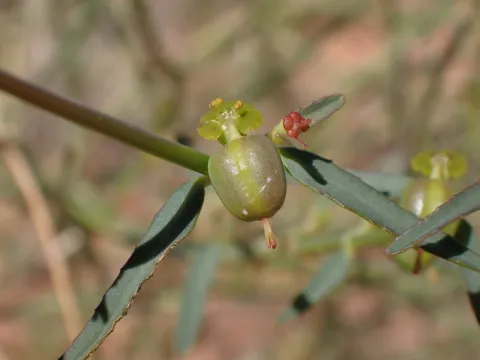
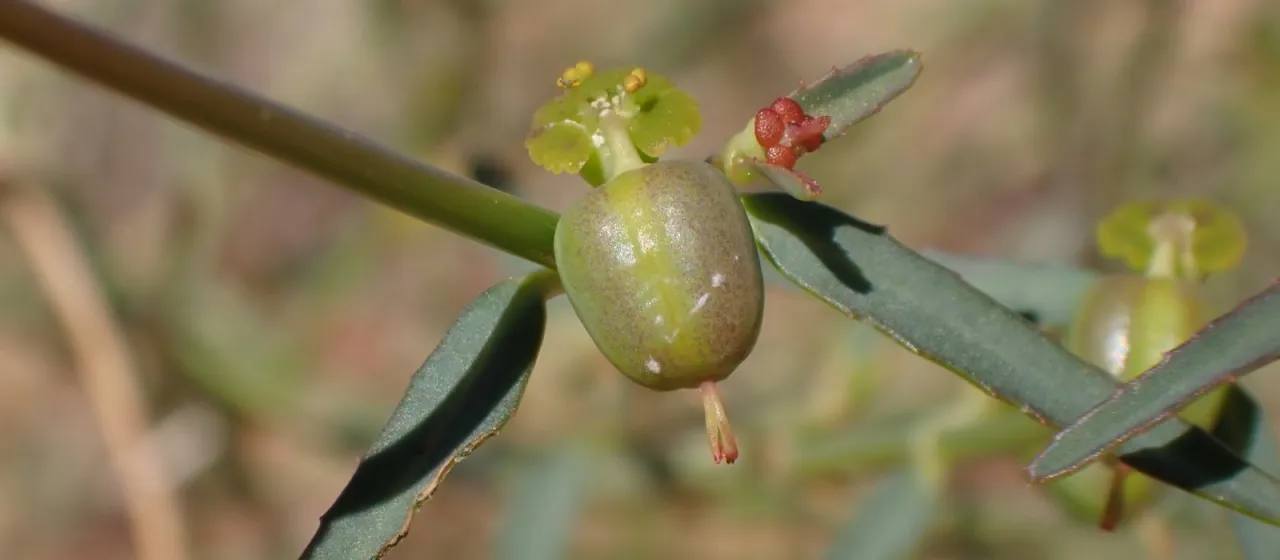
Euphorbia tannensis is a perennial herbaceous plant belonging to the large and diverse Euphorbiaceae family. While it is not a traditional food crop, it holds significance within botanical research and specialized ornamental horticulture. The plant is noted for its structural elegance and the typical physiological traits associated with the genus Euphorbia.
The origin of Euphorbia tannensis is traced to the Pacific Islands, particularly Vanuatu. It thrives in tropical climates where warm temperatures and consistent light exposure are present. Its native environment is characterized by well-drained soils and ecosystems that favor species capable of efficient water management within their tissues.
Botanically, the plant displays distinctive upright stems and a resilient leaf structure. Its most prominent feature is the latex-rich sap, which acts as a primary defense mechanism against herbivores and environmental stressors. The root system is generally efficient, designed to draw nutrients from soils that may be occasionally nutrient-poor but well-aerated.
In terms of agricultural requirements, this species demands a growing medium that promotes rapid drainage to prevent root rot. It thrives in bright, indirect light but can tolerate short periods of full sun in controlled environments. The maintenance regime should focus on temperature stability, as the plant is highly sensitive to cold, and ensuring that irrigation is strictly controlled to match the evaporation rate of the soil.
The primary use of Euphorbia tannensis remains within the domain of botanical collectors and specialized nurseries. Research into its chemical properties continues, though it is not widely exploited for industrial agriculture. Growers should be vigilant regarding pests such as spider mites and mealybugs, which are the most common threats to the plant’s vitality under glasshouse cultivation.
- Requires highly permeable growing substrate.
- Sensitive to low-temperature drops below 15°C.
- Needs regular monitoring for sap-sucking pests.
- Avoid over-watering to maintain root health.
Photo gallery