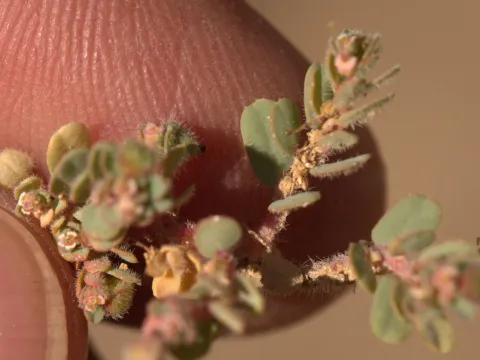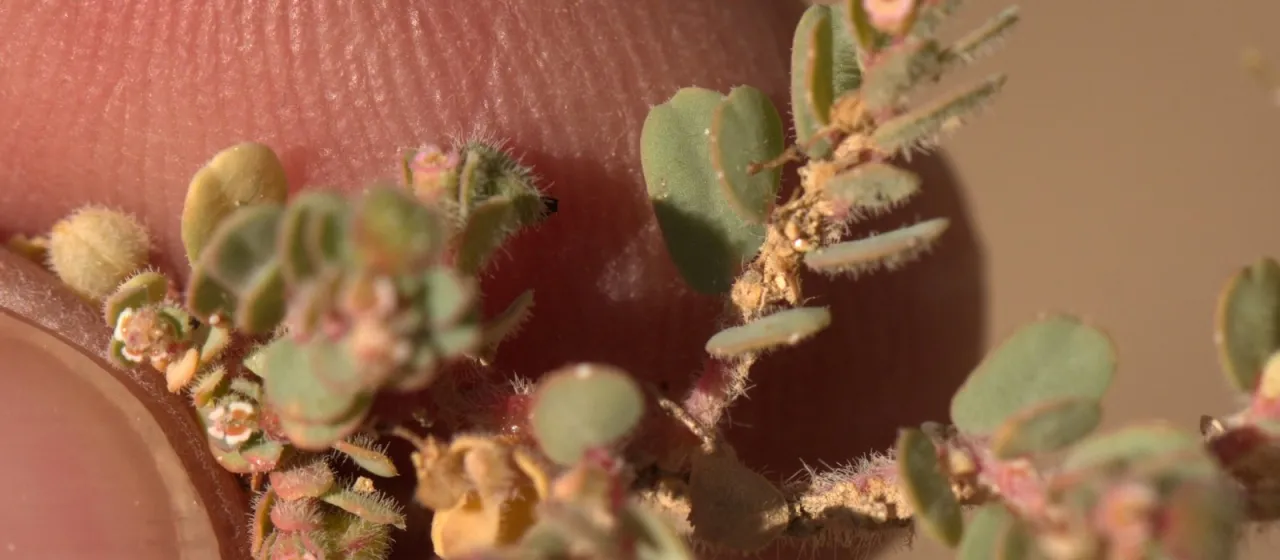
Description
Turkmen spurge (Euphorbia turcomanica) is a perennial herbaceous plant belonging to the Euphorbiaceae family. Within agricultural and botanical research, this species is recognized for its high degree of specialization in arid and semi-arid environments, making it a subject of interest for sustainable cultivation in desert regions.
The native distribution range is primarily centered in Turkmenistan and adjacent areas of Central Asia. The plant has evolved to survive in a harsh continental climate characterized by extreme temperature fluctuations and limited annual precipitation, forcing it to develop specialized physiological drought-tolerance mechanisms.
Botanically, the plant is distinguished by a succulent-like structure of its stems and the presence of milky latex, which contains various complex secondary metabolites. Its leaf structure is designed to minimize water loss through evaporation, while the root system is typically deep and extensive to access scarce underground water reserves.
Regarding agrotechnical requirements, Turkmen spurge thrives in sandy or well-drained loamy soils. It is highly intolerant of waterlogging, which can cause significant stress or fungal disease outbreaks. Successful cultivation depends on selecting sites with maximum sun exposure and implementing minimal soil disturbance to preserve the fragile topsoil structure.
Economic utility is largely derived from the chemical compounds extracted from the biomass, including specialized lipids and terpenoids utilized in pharmaceutical research. Typical pests include specific sap-feeding insects and mites adapted to arid flora, while root rot remains the most common disease associated with improper irrigation management or soil drainage issues.
Photo gallery