Description
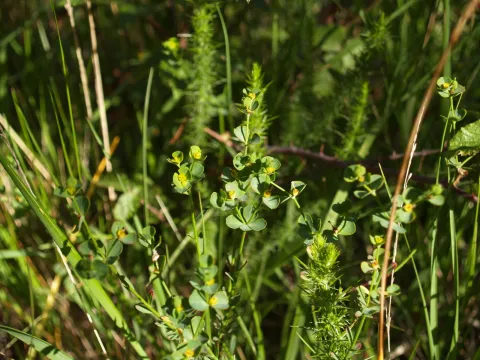
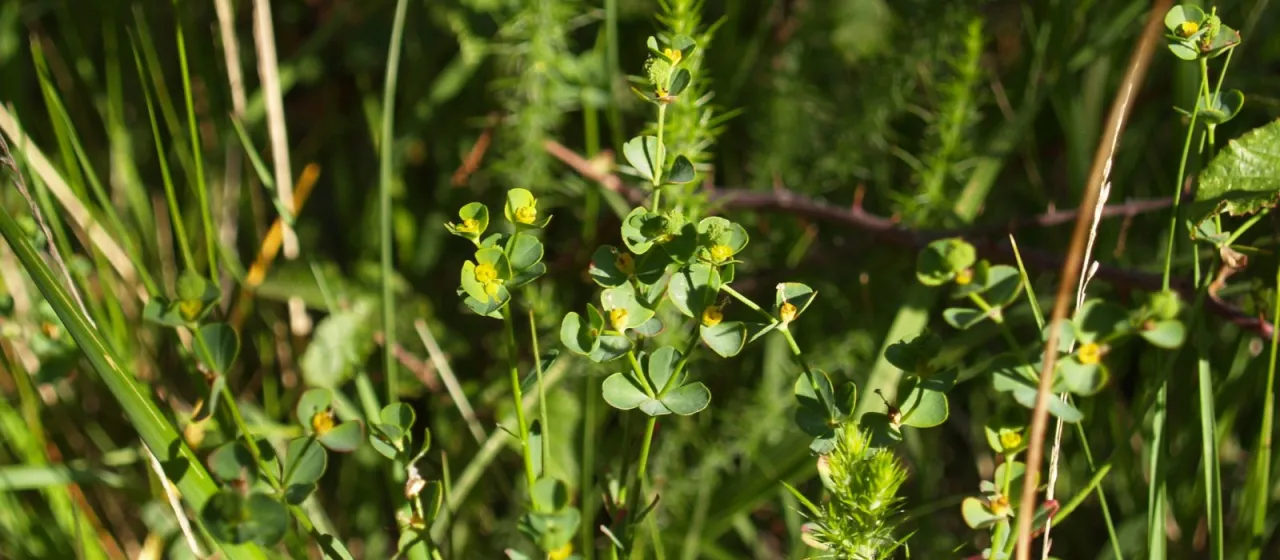
Bog spurge (Euphorbia uliginosa) is a perennial herbaceous plant belonging to the Euphorbiaceae family. This species is specifically adapted to aquatic and semi-aquatic environments, making it a unique candidate for cultivating in waterlogged areas where conventional agricultural crops struggle to survive.
Originating from regions with temperate climates, this species naturally inhabits wetlands, riverbanks, and marshy meadows. Its cultivation is primarily focused on wetland restoration projects, phytoremediation, and specialized ornamental horticulture where high moisture content is a limiting factor for other species.
Botanically, the plant is characterized by erect stems, lanceolate foliage, and the distinct cyathia inflorescences typical of the Euphorbia genus. It possesses a robust root system that provides stability in heavy, water-saturated soils, allowing the plant to thrive in anaerobic conditions that would inhibit most other crops.
The agrotechnical requirements for Bog spurge emphasize constant soil moisture and high organic matter content. Unlike many crops that require drainage, this species performs best when planted in saturated, clay-rich substrates. It is relatively low-maintenance, requiring only occasional clearing of competing invasive weeds during the establishment phase.
- Requires consistent high moisture levels.
- Thrives in neutral to slightly acidic soil.
- Resistant to most common agricultural pests.
- Benefits from occasional organic fertilization.
In terms of plant health, Bog spurge is relatively resilient, though it can be susceptible to root rot in cases of extreme, stagnant water coupled with poor oxygen circulation. Monitoring for spider mites is advised in regions with hot, dry periods, as these pests can impact plant vigor despite the preference for moist habitats.
Photo gallery