Description
Hairy spurge (lat. Euphorbia vermiculata) is an annual herbaceous plant belonging to the Euphorbiaceae family. In an agricultural context, this species is widely recognized as a problematic weed that infests cropland, gardens, and disturbed habitats. It is characterized by its ability to rapidly establish itself in various soil types, competing directly with crops for resources.
Originating in North America, the plant has expanded its range across various regions. It thrives in sunny locations with well-drained soils, often appearing in agricultural fields where soil management practices have left areas vulnerable. Its adaptability to diverse environments makes it a persistent challenge for farmers in both conventional and integrated farming systems.
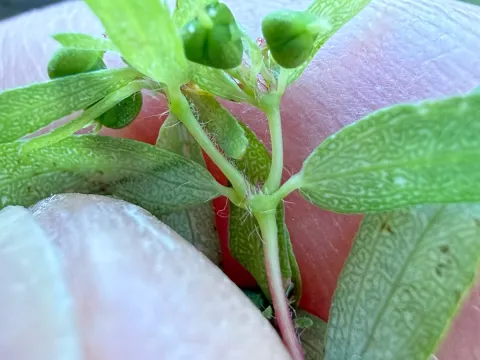
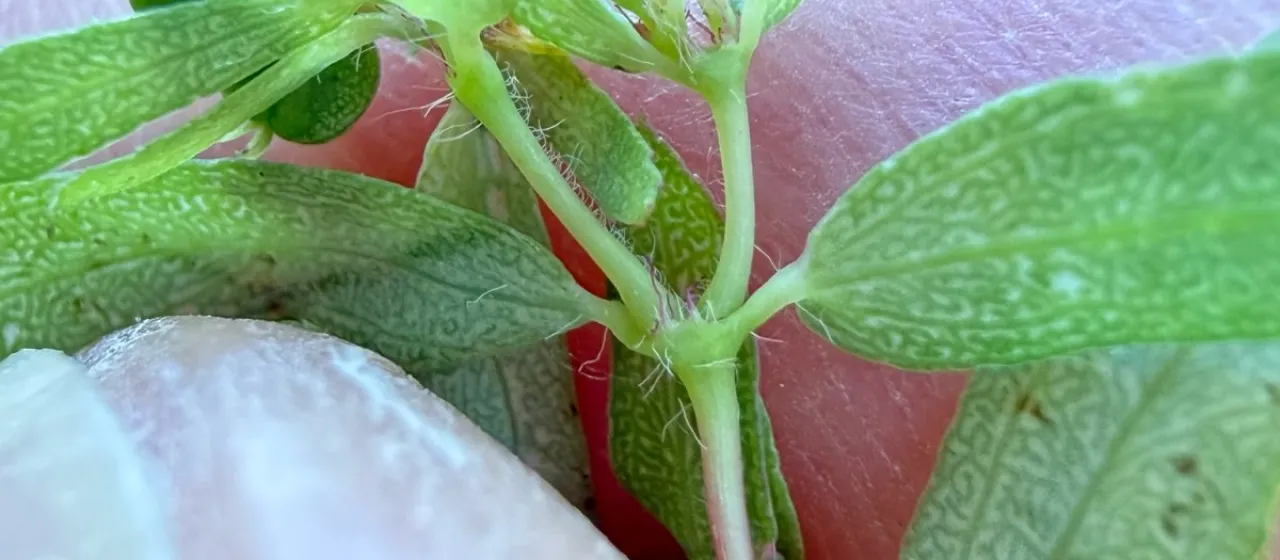
Botanically, the species is identified by its prostrate or ascending stems, which frequently exhibit a reddish hue. The leaves are opposite, oblong, and typically possess finely serrated margins. Like other members of the Euphorbia genus, the plant produces a milky latex sap that acts as a chemical defense mechanism, potentially causing irritation to the skin and mucous membranes of livestock.
Effective management of Hairy spurge requires an integrated approach to prevent seed dispersal and establishment. Because of its high seed output, early intervention is critical in protecting crop yields. Recommended strategies include:
- Mechanical removal through cultivation before the flowering stage.
- Implementation of robust crop rotation schemes to outcompete the weed.
- Application of targeted herbicides where appropriate and permitted.
- Monitoring field edges and disturbed zones to prevent migration into main crops.
The economic impact of this species is largely negative due to its status as a invasive weed. While it does not have direct agricultural use, its presence in pastures is discouraged due to the toxicity of the latex sap to grazing animals. The plant is susceptible to certain fungal rusts, but these natural pathogens are generally insufficient to curb infestations, necessitating active agronomic control measures to maintain field cleanliness.
Photo gallery