Description
Eupomatia laurina, commonly known as Copper Laurel or Bolwarra, is an evergreen shrub or small tree belonging to the family Eupomatiaceae. Native to the eastern coast of Australia and New Guinea, it is typically found in the understory of subtropical and tropical rainforests. It is highly regarded by botanists as a primitive angiosperm, offering a unique glimpse into the evolution of flowering plants.
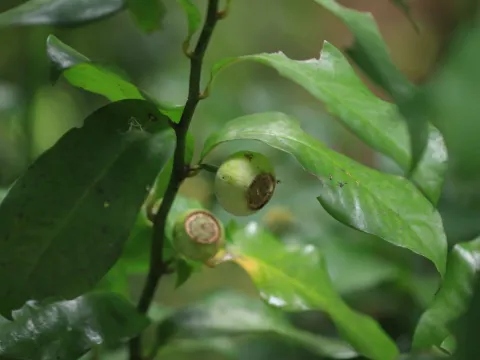
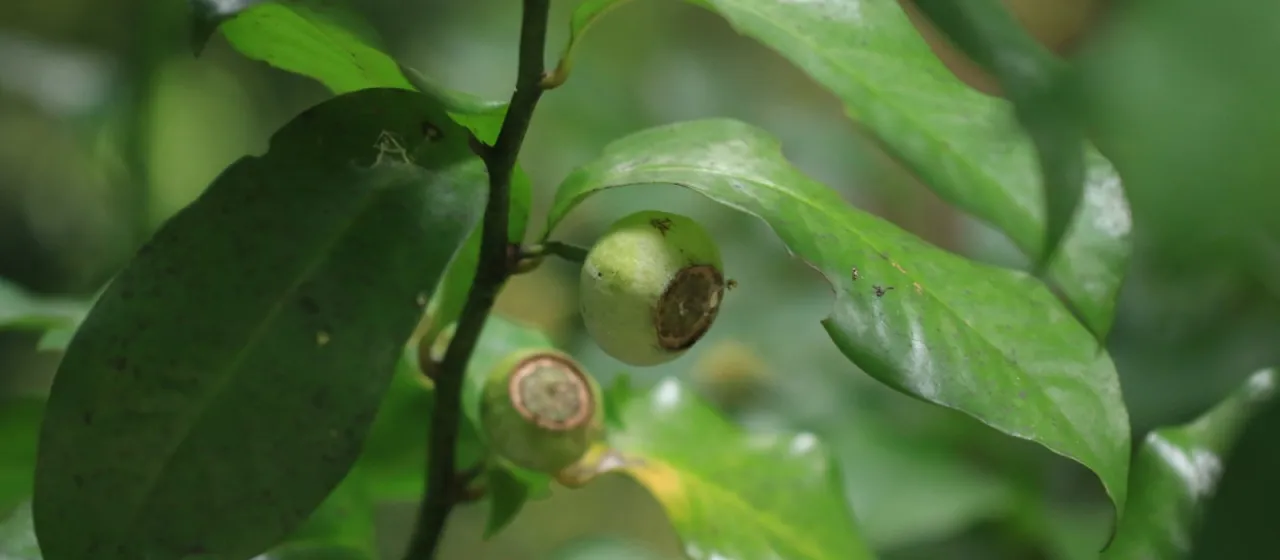
The plant features glossy, lance-shaped leaves that are aromatic when crushed. Its botanical structure is unique: it lacks petals, instead possessing a floral cap formed by fused sepals that falls away when the flower opens. The fruits are brownish, cup-shaped berries that contain numerous seeds embedded in a flavorful, gelatinous pulp. These features make it a distinct specimen for ornamental and educational purposes.
In terms of climate requirements, Eupomatia laurina thrives in environments that mimic high-humidity forest conditions. It requires consistent moisture and protection from harsh, direct sunlight, especially in the early stages of growth. While it prefers subtropical warmth, it is somewhat sensitive to cold; therefore, it is best grown in sheltered positions where temperatures do not drop below the freezing point.
The ideal soil for this species is deep, fertile, and well-draining, with a slightly acidic pH. Agricultural management focuses on maintaining constant soil humidity while ensuring sufficient aeration to prevent root rot. Regular application of organic compost helps sustain the plant’s nutrient needs, and pruning may be required to maintain the desired shape and size in a managed horticultural setting.
- Requires high atmospheric humidity.
- Prefers partial shade or filtered light.
- Benefits from mulching to conserve soil moisture.
- Sensitive to heavy fertilizers; organic matter is preferred.
Regarding its utility, the fruits of Eupomatia laurina are considered edible and are known for their distinct, spicy flavor, which has been utilized traditionally in indigenous cuisine. Pest management primarily involves monitoring for common tropical greenhouse pests like mites or scale insects. Disease control is best achieved through preventative measures, such as avoiding overcrowding and ensuring good airflow around the foliage.
Photo gallery