Description
Euptelea franchetii is a distinguished deciduous tree belonging to the small family Eupteleaceae. Highly regarded by botanical enthusiasts and horticulturists, this species is prized for its architectural form and its spectacular early spring floral display, which occurs well before the leaves begin to emerge.
Native to the mountain forests of China, this species has adapted to temperate environments where humidity and soil structure mirror its original habitat. In cultivation, it thrives best in protected garden spots that mimic the sheltered forest floor conditions, avoiding extreme heat or arid, windswept locations.
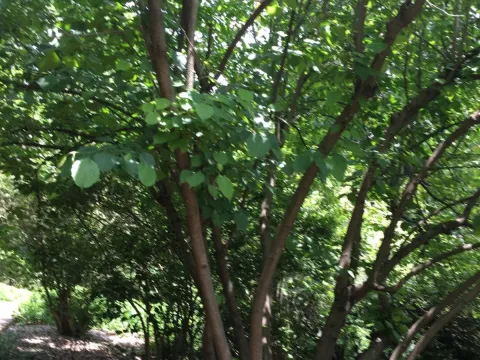
Botanically, the plant is characterized by its serrated, rounded leaves that turn brilliant shades of red and gold in the autumn. The flowers are distinctive for their lack of petals and sepals; instead, they consist of dense clusters of vibrant, crimson anthers dangling on long filaments, which provides a striking, feathery appearance in early spring.
Success in growing this species depends on maintaining consistently moist, well-drained, and slightly acidic soil enriched with organic matter. As an ornamental, it benefits from light mulching to retain root moisture during drier months. While it is generally robust, providing shelter from harsh winter winds helps protect the developing flower buds for the coming season.
In terms of agricultural and horticultural use, it is primarily employed as a specimen plant or a refined focal point in woodland-style gardens. It is rarely troubled by major pests or diseases, making it an excellent candidate for gardeners seeking unique, low-maintenance ornamental trees that offer multi-seasonal interest.
- Height: 5–10 meters at maturity
- Flowering time: Late winter to early spring
- Soil preference: Humus-rich, acidic, moist
- Growth rate: Moderate
Photo gallery