Description
Common feather moss (Eurhynchium praelongum), taxonomically reclassified as Kindbergia praelonga, is a perennial bryophyte belonging to the Brachytheciaceae family. While not a traditional crop, it is a significant plant in forest ecosystems and a valued component in specialized landscaping projects, particularly in shaded, moisture-rich garden environments.
This species is widely distributed across the Northern Hemisphere, thriving in diverse environments such as temperate forests, damp rocky habitats, and decaying logs. It is highly adapted to high-humidity environments and low-light conditions, which allows it to form extensive, lush green carpets in areas where higher-order plants might struggle to survive.
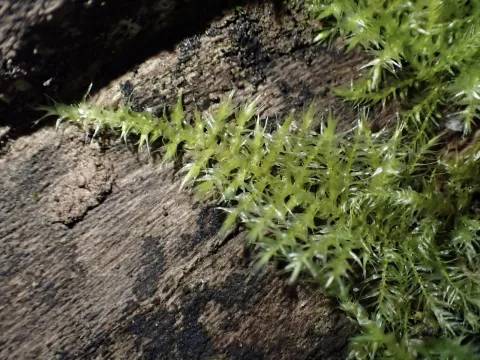
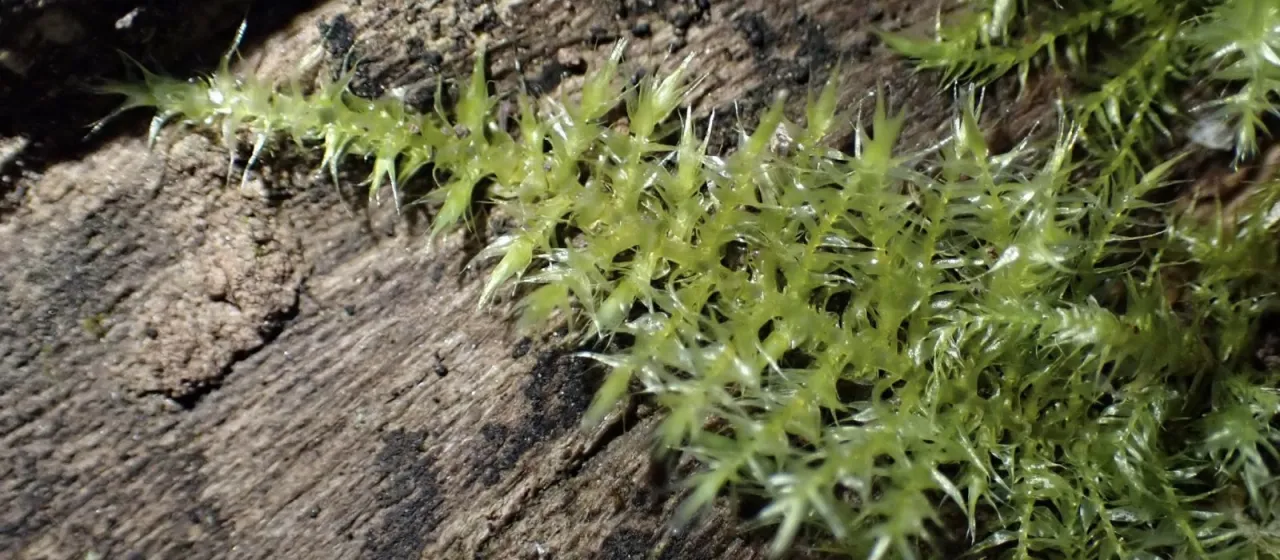
The morphology of this moss is characterized by its feathery, branching stems that spread horizontally. The leaves are small, triangular-ovate, and finely toothed, contributing to the plant's delicate, intricate texture. These biological adaptations allow the plant to maximize surface area for moisture absorption and gas exchange in humid, shaded microclimates.
Cultivation of Eurhynchium praelongum requires careful management of environmental factors. The ideal substrate is a nutrient-rich, moisture-retentive organic mix. In a gardening context, the plant must be protected from direct sunlight to prevent desiccation. Consistent misting or irrigation with soft water is essential, as the plant is sensitive to mineral buildup often caused by hard water.
The primary use of this moss is in ornamental landscaping and interior plant design. It serves as an excellent ground cover for shade gardens, rockeries, and vivariums, where it helps regulate humidity levels. It is generally resistant to pests; however, the main threats to its health include extended drought, excessive heat, and air pollution, which can disrupt the moss's physiological functions and lead to patchiness.
Photo gallery