Description
Euroschinus falcatus is a woody plant species belonging to the Anacardiaceae family. Recognized in botanical and horticultural circles, it is categorized as a specialized crop that serves specific ecological and landscape functions within its native and introduced range.
The origin of this species is linked to the Australian continent and certain Pacific islands. Its native habitat comprises coastal areas and woodland fringes where climatic conditions remain relatively stable throughout the year. Agronomic cultivation focuses on simulating these conditions to maximize plant health and development.
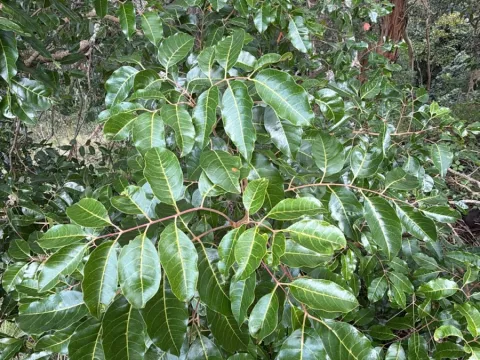
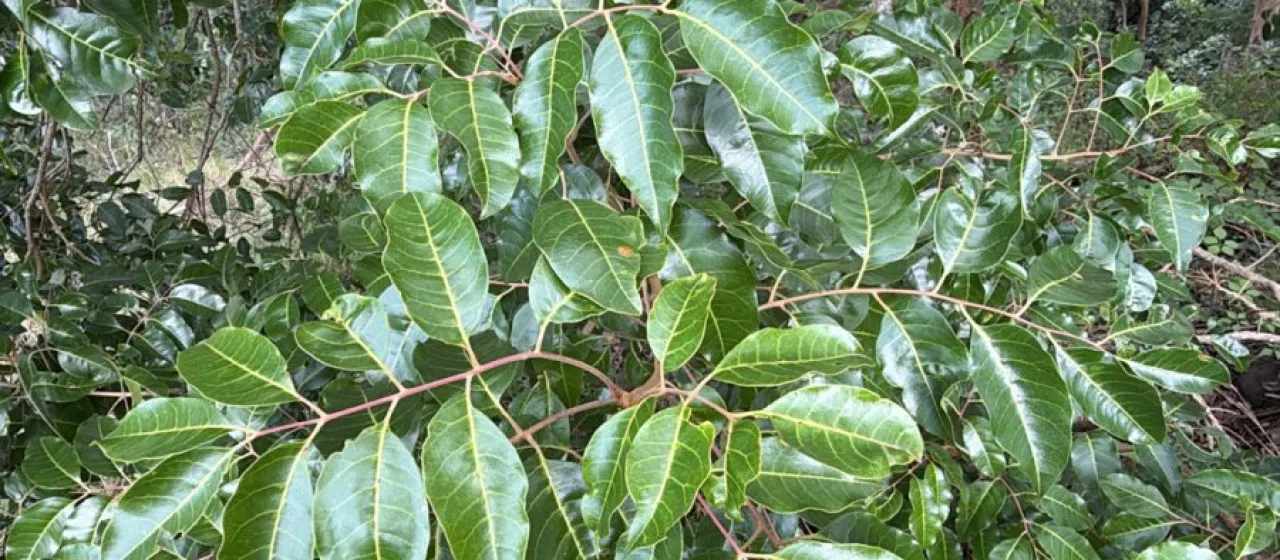
From a botanical standpoint, the plant is characterized by its distinct falcate (sickle-shaped) leaflets and robust evergreen foliage. The tree exhibits a sturdy growth habit, developing a dense canopy. Its physiological adaptations allow it to thrive in nutrient-poor soils provided that drainage is adequate, which is a critical factor for its survival.
Regarding climate and soil requirements, Euroschinus falcatus prefers warm, temperate to subtropical conditions. It is sensitive to severe frost, necessitating careful site selection. Agricultural management includes moderate irrigation practices and the maintenance of soil structure to support root respiration and prevent pathogen proliferation.
Economically, the species is utilized for timber production and environmental stabilization. While generally resilient, the plant can be susceptible to common pests like aphids and scale insects, as well as fungal pathogens in high-humidity environments. Integrated pest management strategies are highly recommended for optimal plantation success.
Photo gallery