
Description
Eustachys petraea, commonly known as saltmeadow finger grass, is a perennial grass species belonging to the Poaceae family. This plant is highly regarded in agronomy for its remarkable ability to thrive in challenging environments, including sandy, saline, and nutrient-poor soils where conventional forage crops would struggle to survive.
The native range of this species is centered in tropical and subtropical coastal regions, particularly along the Atlantic coasts and the Gulf of Mexico. It is specifically adapted to warm climates and high light intensities, making it a valuable biological resource for arid and semi-arid grazing lands located in coastal zones.
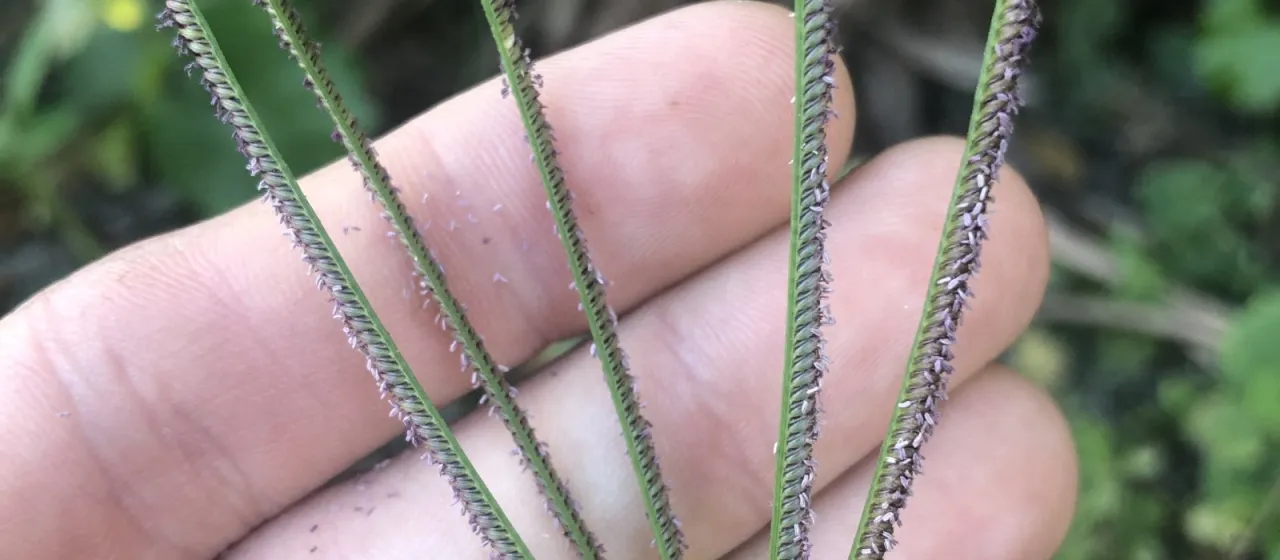
From a botanical perspective, the plant is characterized by a dense growth habit and a fibrous, deep-reaching root system. Its leaves are slender and tough, designed to minimize transpirational water loss. The inflorescence consists of characteristic finger-like spikes that emerge in clusters, which is a morphological signature of the genus Eustachys.
Regarding agrotechnical requirements, Eustachys petraea is relatively undemanding. It prefers well-drained, sandy soils and exhibits excellent tolerance to soil salinity. While it can withstand periods of drought, providing sufficient soil aeration and adequate spacing during establishment is essential for creating a uniform and persistent stand for long-term agricultural use.
Its primary agricultural applications are categorized as follows:
- Provision of forage for livestock in low-fertility grazing systems.
- Erosion control on sandy beaches, dunes, and coastal slopes.
- Bio-remediation of saline-affected soils to restore productivity.
- Utilization as a hardy ground cover in sustainable landscaping projects.
In terms of plant health, the species is generally robust; however, it can be susceptible to rust diseases under conditions of prolonged high humidity. Insect pests such as aphids or grasshoppers may occasionally affect the foliage, but integrated pest management strategies, such as rotational grazing and regular mowing, effectively control these populations without intensive chemical intervention.