
Description
Salt cress (Eutrema salsugineum) is a small herb belonging to the Brassicaceae family. It has gained international recognition in plant biology as a model organism for studying abiotic stress resistance, particularly its remarkable ability to thrive in highly saline environments that are toxic to most crop species.
The plant originates from harsh, cold regions across Central Asia, Northern China, and the Yukon territory in Canada. Its natural habitat includes saline marshes and rocky terrain, which has driven the evolution of sophisticated molecular mechanisms that allow the plant to maintain water balance and cellular integrity under extreme osmotic pressure.
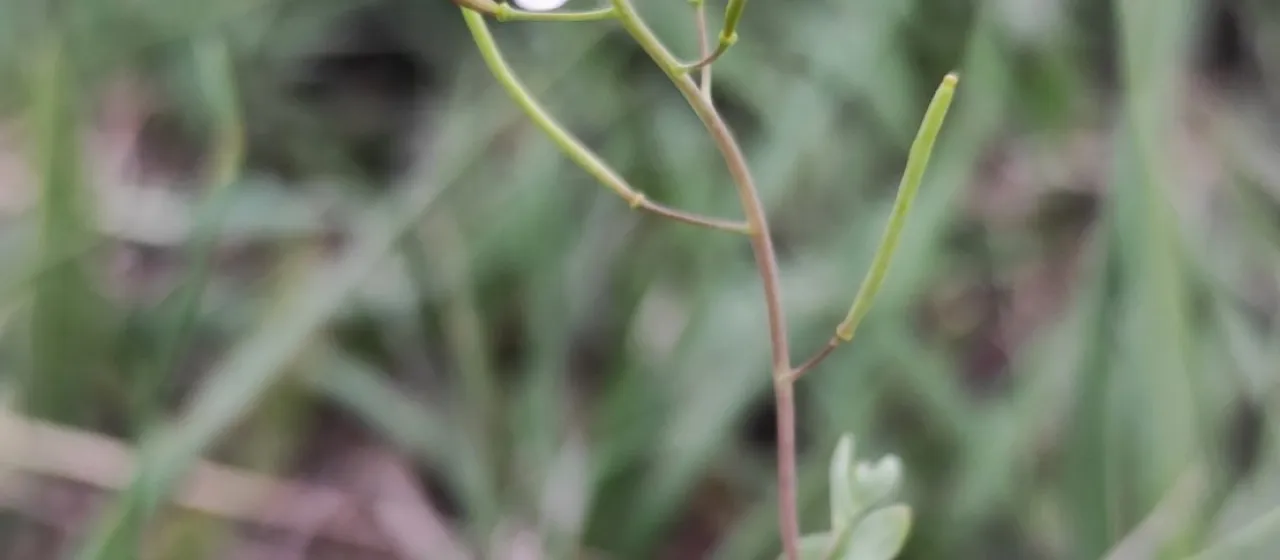
Botanically, it is characterized by a basal rosette of leaves and slender stems that produce small, white cruciferous flowers. The root system is specifically adapted to absorb water from saline soils, utilizing a range of specialized ion transporters and antioxidant systems that prevent oxidative damage in high-salt conditions.
Cultivation of Eutrema salsugineum requires strict adherence to environmental parameters. It prefers cool, well-drained soil with a balanced mineral profile. Farmers and researchers must ensure that moisture levels are carefully controlled, as stagnant water and poor soil aeration are detrimental to its root health and overall survival rates.
The primary economic and scientific usage of this crop is in bioengineering. By identifying the genes responsible for its salt tolerance, scientists aim to introduce these traits into major food crops to ensure global food security on land degraded by salinization. It serves as a blueprint for developing the next generation of climate-resilient plants.
Common health issues and challenges include:
- Susceptibility to flea beetles during the seedling stage.
- Potential for clubroot disease if the soil pH is not maintained properly.
- Infection with downy mildew in humid, low-ventilation environments.