
Description
Evodiopanax innovans is a deciduous tree species belonging to the Araliaceae family. It stands out in the botanical world due to its unique growth habit and its evolutionary relationship with other members of the Aralia group. This species is often regarded as a specialty plant, primarily maintained in botanical collections and managed forest landscapes.
The plant originates from East Asia, with a primary distribution range across Japan. It typically inhabits mountain forest environments where humidity levels are relatively stable and the soil remains cool. The climate suitability for this species is defined by mild summers and protected winters, as it does not tolerate extreme frost or arid, hot conditions during its early growth stages.
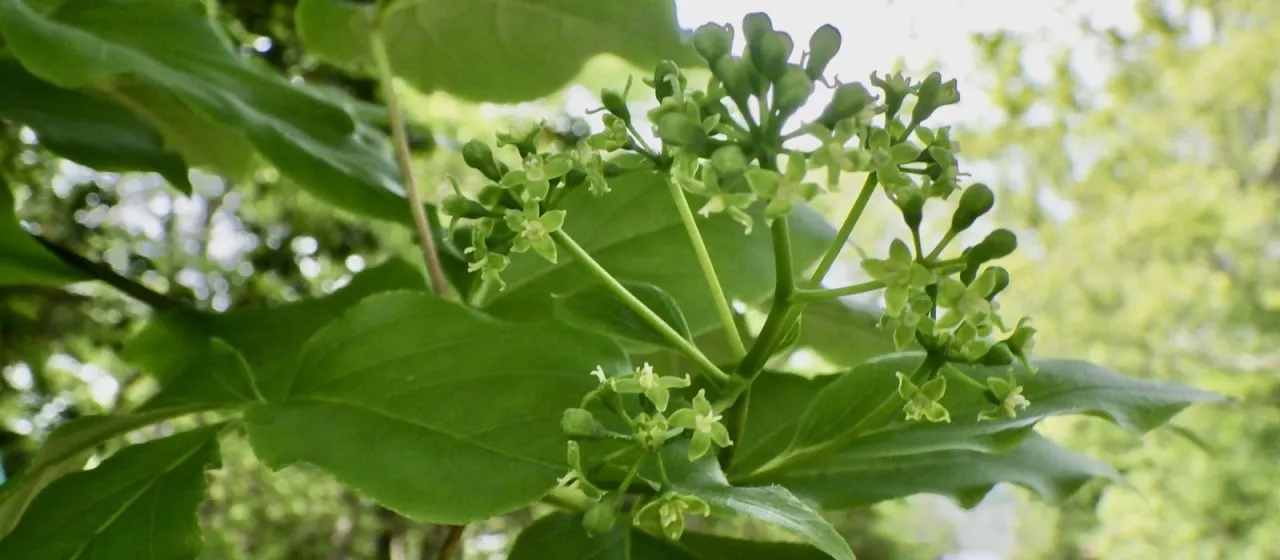
Botanically, the species is characterized by its distinct pinnate foliage and a relatively slender, elegant trunk. The growth pattern is often described as architectural, providing a unique vertical element to garden designs. The flowers, typical of the family, appear in umbellate inflorescences, attracting various pollinators during the mid-to-late summer season, followed by the development of small berries.
Agronomic requirements are centered on providing a forest-like environment. The soil should be fertile, acidic to neutral, and extremely well-drained to prevent root suffocation. Regular organic mulch application is highly recommended to replicate the natural leaf litter layer, which helps in moisture retention and temperature stabilization for the root zone. Irrigation should be consistent, especially during the first three years of establishment.
The primary utility of Evodiopanax innovans lies in its aesthetic value within landscaping and its potential role in forest restoration projects. While not currently a major commercial agricultural crop, its resilience makes it a subject of interest for breeders. The main threats include:
- Fungal pathogens triggered by excessive soil moisture.
- Infestations of aphids and spider mites during dry spells.
- Mechanical damage to the bark from extreme temperature fluctuations.
Successful management involves monitoring for these pests and maintaining a balanced nutrient level through slow-release fertilizers, ensuring the plant thrives without excessive vegetative stress.