
Description
Exoacantha heterophylla is a perennial herb belonging to the Apiaceae family. This species is known for its distinct ecological role within Mediterranean ecosystems, thriving in harsh, nutrient-poor conditions. It represents a specialized group of plants that have evolved to withstand high temperatures and severe aridity.
The origin of this plant is centered in the Mediterranean Basin and Middle Eastern regions. Its natural habitat includes rocky slopes, open grasslands, and degraded soils where few other species can establish. Due to its evolutionary path, the plant exhibits remarkable resistance to environmental stress, making it a subject of interest for both ecologists and researchers.
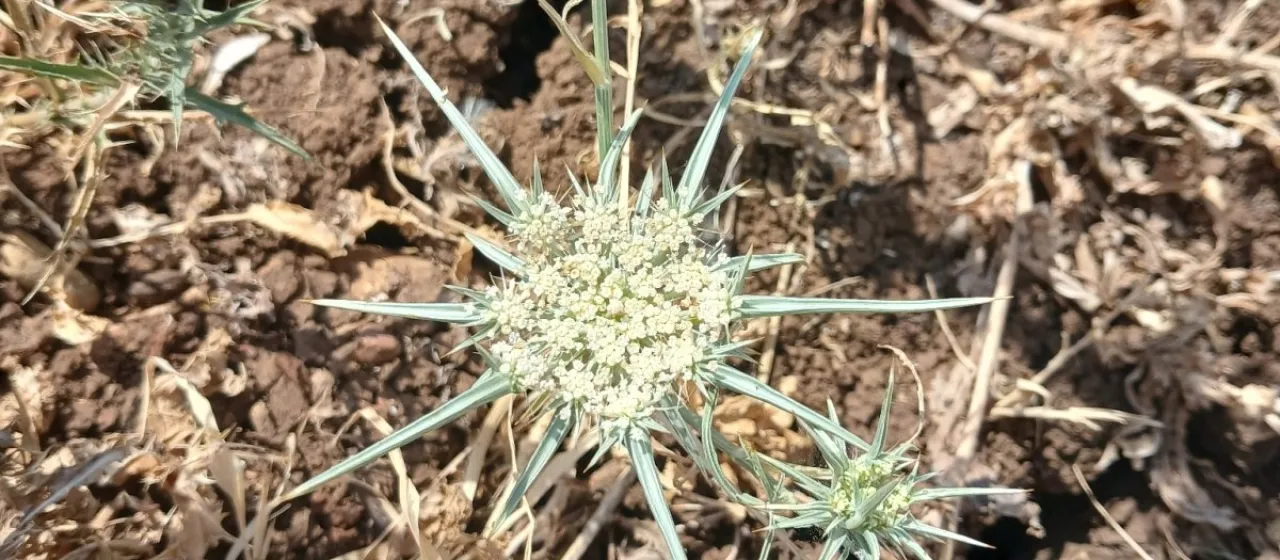
Botanically, Exoacantha heterophylla is characterized by its complex, often spiny foliage and a robust root system. The plant develops typical umbellate inflorescences, producing small white or pale-yellow flowers. Its growth habit is primarily vertical, with branching stems that maintain structural integrity even during strong winds typical of its native environment.
Agronomic requirements for this crop prioritize simulation of its natural, arid-environment niche. Key factors for successful growth include:
- Excellent soil drainage, specifically rocky or sandy substrates.
- High levels of direct sunlight exposure for optimal photosynthetic activity.
- Limited water supply to prevent root rot or fungal pathogen development.
- Minimal nutrient requirements, as the plant is adapted to impoverished soils.
In terms of хозяйственное (economic) utility, Exoacantha heterophylla is primarily employed in xeriscaping and sustainable landscape design. Its ability to thrive without irrigation makes it an excellent candidate for public green spaces in arid regions. Furthermore, its biological profile is studied for potential chemical compounds with therapeutic properties or agricultural applications.
Regarding pest and disease management, the plant is relatively resilient. The most significant risks involve root pathogens (such as Fusarium or Rhizoctonia) caused by poor soil drainage and stagnant water. By maintaining a well-aerated soil structure and avoiding overhead irrigation, most health issues can be effectively prevented, ensuring a healthy growth cycle.