
Description
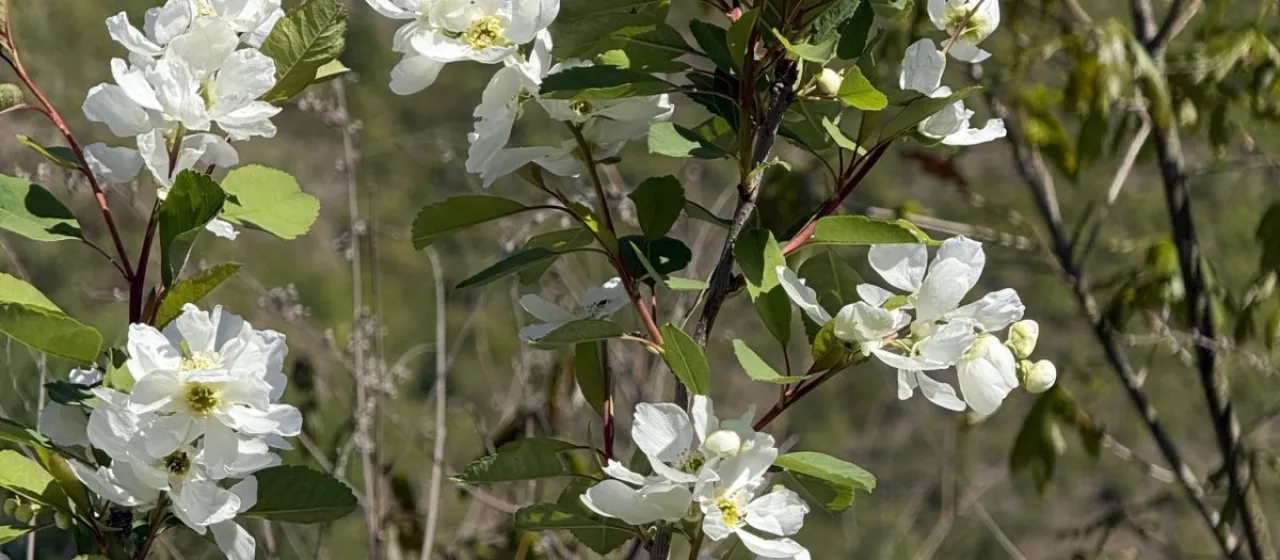
Pearl bush (Exochorda serratifolia) is a magnificent deciduous shrub belonging to the Rosaceae family. It is widely recognized for its spectacular spring display of pure white flowers, which bloom in dense racemes, earning the plant its common name due to the pearl-like appearance of the flower buds before they open.
Originating from East Asia, specifically Northeast China, Korea, and parts of the Russian Far East, the Pearl bush is well-adapted to temperate climates. Its natural habitat is typically open forest edges and mountainous slopes, which contributes to its robust nature and ability to tolerate varying seasonal weather patterns.
Botanically, it forms a rounded, spreading shrub that can reach heights of 3 to 4 meters. Its leaves are serrated along the margins, providing an elegant foliage texture that complements its intense flowering period. The plant's structure makes it a highly valuable specimen for landscape architecture and garden design.
Cultivation requires fertile, well-draining soil with a neutral to slightly acidic pH level. The species thrives in full sun but can tolerate partial shade in hotter climates. Agricultural practices include consistent watering during dry spells, spring fertilization with balanced nutrients, and careful pruning immediately after the bloom to maintain the shrub's shape and vigor.
The Pearl bush is primarily used as an ornamental specimen in gardens and parks, often planted as a focal point or in mixed shrub borders. While generally resilient, it can be susceptible to common pests like aphids or fungal issues like powdery mildew. Regular monitoring and timely application of protective treatments ensure long-term plant health.