Description
Kidneywood (Eysenhardtia polystachya) is a perennial woody plant belonging to the Fabaceae family. It is widely recognized for its unique biological properties, particularly the ability of its extracts to display fluorescence when dissolved in water, which has contributed to its historical significance in herbal medicine.
Native to the dry forests and scrublands of Mexico and the southwestern United States, this species is well-adapted to semi-arid climates. It serves as a vital component of local ecosystems, providing soil stabilization in regions prone to erosion and serving as a reliable habitat for various pollinators throughout the dry season.
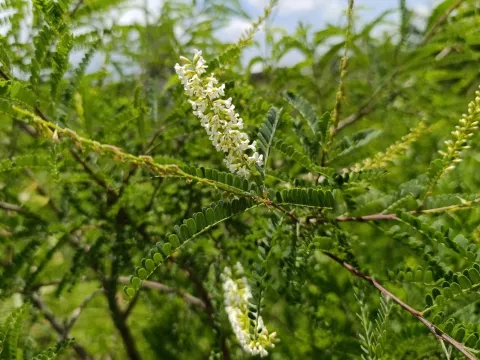
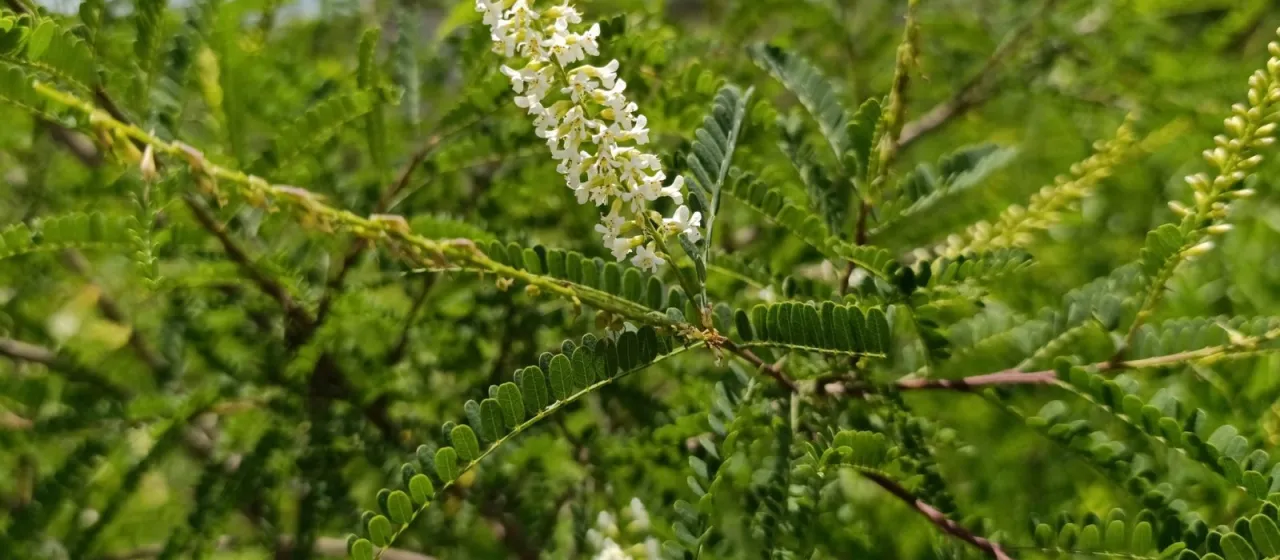
Botanically, it typically grows as a small, deciduous tree or shrub, ranging from 3 to 6 meters in height. It features small, pinnately compound leaves and dense, white to cream-colored spikelike racemes of fragrant flowers. The tree possesses a robust root system, which is an essential adaptation for accessing deep moisture in rocky or nutrient-poor substrates.
Cultivation of this species requires full sun exposure and extremely well-draining soil. It is highly drought-tolerant once established and generally requires little fertilizer. Agricultural management focuses on preventing waterlogging, which is the primary threat to the plant's health, as it makes the tree susceptible to root rot and fungal pathogens that affect foliage during high-humidity periods.
The economic utility of kidneywood spans several sectors. Its dense wood is valued for small-scale carpentry and artistic woodworking. Therapeutically, extracts from the wood and leaves are used in traditional medicine for their purported diuretic and healing properties related to kidney health. Furthermore, it is a significant honey-producing plant, highly valued by apiarists for the quality of honey it helps produce.
- Excellent drought tolerance.
- Significant nectar source for bees.
- Traditional medicinal uses.
- Effective for soil erosion control.
Photo gallery