
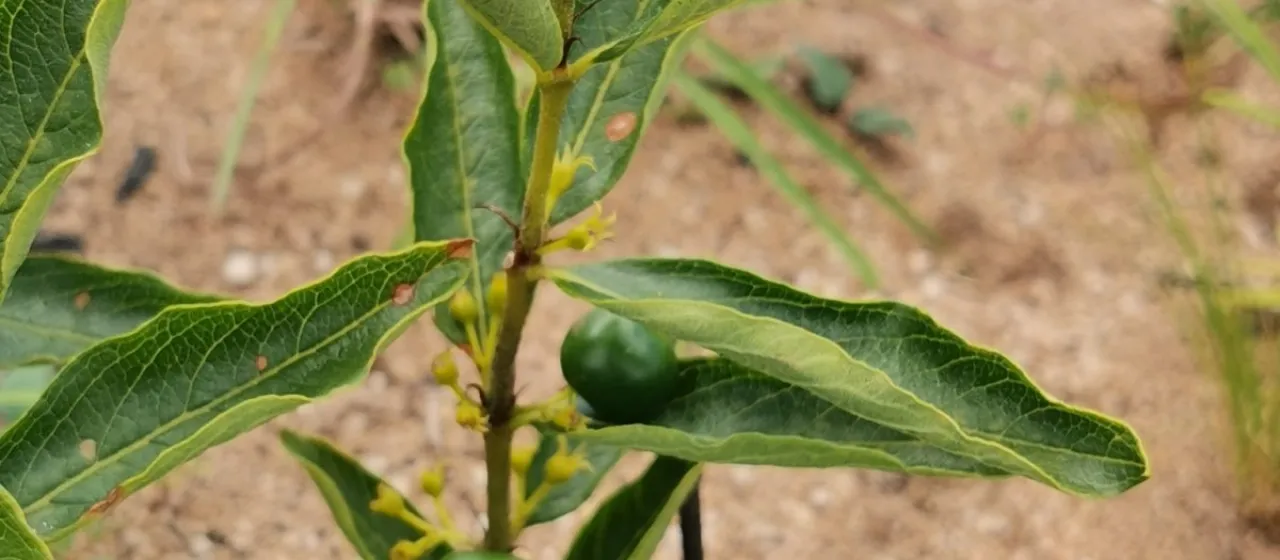
Description
Fadogia monticola is a perennial herbaceous or semi-shrub plant species belonging to the Rubiaceae family. As a part of this diverse family, it shares genetic characteristics with other significant plants but stands out due to its specific adaptation to African landscapes. It is a scientifically significant plant, often studied for its chemical composition and unique growth habits.
The plant originates from the tropical and subtropical regions of Africa. Its natural habitat includes grasslands, rocky hillsides, and open woodland areas. These environments are characterized by specific rainfall patterns and soil types, which dictate the plant’s biological cycle and its ability to thrive under harsh, arid-prone conditions found across the African continent.
Botanically, Fadogia monticola displays distinct morphology, typically featuring clustered or opposite leaves and small, often inconspicuous flowers. The plant’s root system is robust, designed to penetrate compact or rocky soils to access moisture. The stems can be woody at the base, providing structural support in wind-swept areas, while the foliage is adapted to minimize water loss through evapotranspiration.
Agricultural requirements for Fadogia monticola include a warm climate with stable temperatures, as the plant is highly sensitive to frost. Soil management is critical; the species necessitates excellent drainage to prevent root diseases.
- Well-drained, sandy or gravelly loam soil.
- Full exposure to sunlight to support vegetative growth.
- Minimal, controlled irrigation during the growth phase.
The primary use of Fadogia monticola lies in ethnobotany and pharmacological research, where certain compounds within the plant are analyzed for potential health benefits. When considering agricultural cultivation, it is important to monitor for fungal pathogens that thrive in high-humidity microclimates. Common pests include various sap-sucking insects that are endemic to the regions where the plant naturally occurs, requiring integrated pest management strategies.