
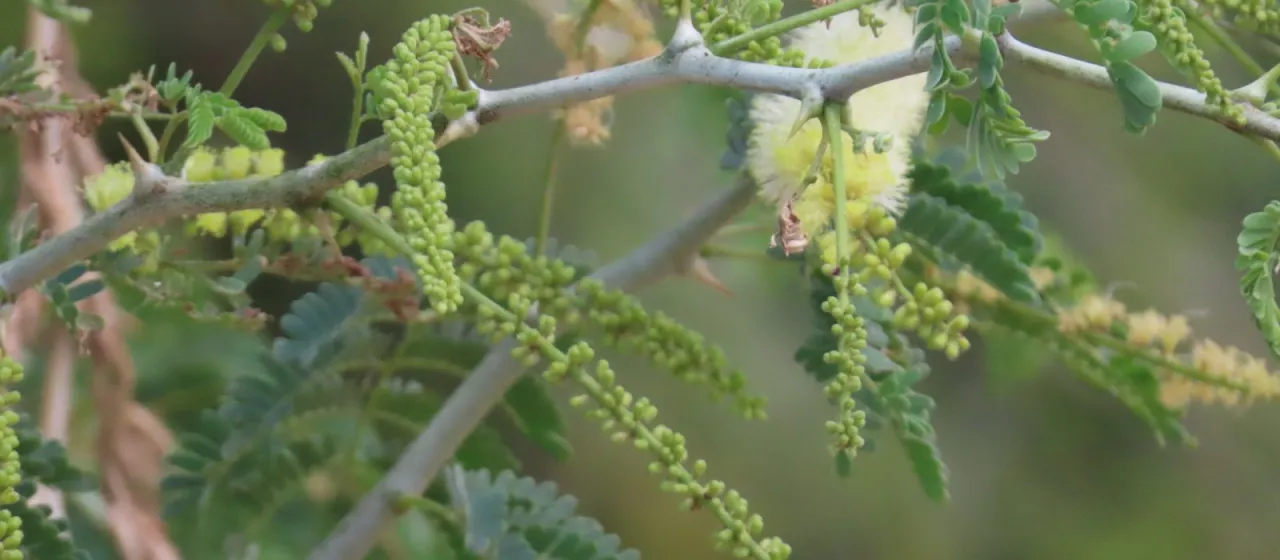
Description
Faidherbia albida, a prominent species in the Fabaceae family, is a unique deciduous tree native to Africa and the Middle East. It is most famous for its remarkable reverse phenology: it remains dormant and sheds its leaves during the rainy season and flushes new foliage during the dry season, making it an essential component of resilient farming systems.
The tree thrives in diverse environments, ranging from riverbanks to arid savannahs. Its distribution is vast, spanning across the Sahel and other sub-Saharan regions. Because it is highly adapted to extreme heat and periodic droughts, it is often utilized as a primary tool for land reclamation and combating desertification in agriculture-dependent communities.
Botanically, Faidherbia albida is characterized by its deep taproot system, which allows it to access groundwater unavailable to most crops. The tree produces pods that serve as a high-protein feed for livestock during the time of year when pastures are dry and nutrition is scarce. It is also capable of biological nitrogen fixation, which significantly improves soil structure and nutrient content.
Agricultural management requires careful planning. Direct seeding is common, though seedlings need protection from grazing pressure during their early growth stages. As the tree matures, it creates a favorable microclimate beneath its canopy, reducing soil temperature and evaporation, which allows farmers to cultivate crops like millet and sorghum directly beneath the tree's shade.
The economic value of this tree is immense. It provides a sustainable source of shade, fuel, and timber, while its role as a natural fertilizer source makes it an economical choice for smallholder farmers. Typical pests may include various borers or foliage-feeding insects, but the tree generally exhibits high resilience and long-term vitality in traditional agroforestry systems.
- Enhancement of soil nitrogen levels via leaf litter.
- Source of essential livestock fodder during the dry season.
- Reduction of soil erosion through extensive root systems.
- Creation of a protective microclimate for intercropped plants.