
Description
Gac fruit, scientifically known as Momordica cochinchinensis, is a perennial dioecious vine belonging to the Cucurbitaceae family. Often referred to as a "superfruit," it is native to Southeast Asia, specifically spanning from Southern China to Northeastern Australia, and is highly regarded for the intense red color and nutritional density of its aril.
The plant thrives in tropical and subtropical climates, requiring high humidity and consistent warmth throughout the growing season. In its native habitat, it grows in scattered forests or shrublands, utilizing its tendrils to climb trees and reach sunlight. Commercially, it is grown on trellises, which simplifies the harvest and improves the health of the foliage.
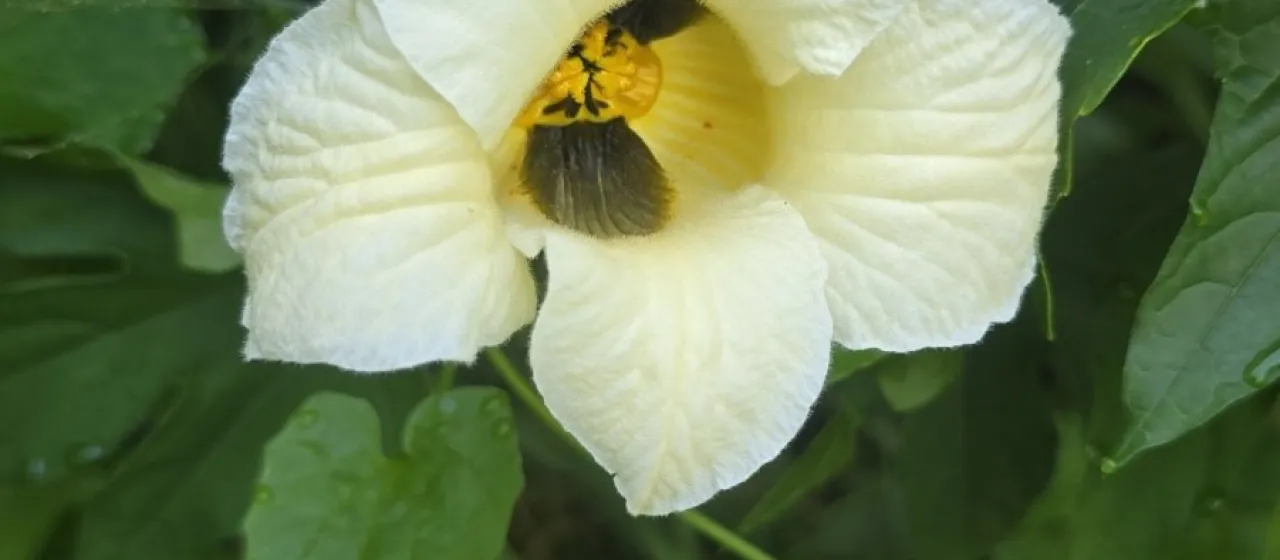
Botanically, the plant features large, lobed leaves and produces yellow, bell-shaped flowers. The fruit itself is elliptical, covered in small soft spines, and changes from green to a vibrant orange or red upon maturity. The interior consists of a central fibrous pulp surrounding seeds that are covered in a fleshy, bright red aril rich in lycopene and beta-carotene.
Successful cultivation requires deep, well-drained loamy soils enriched with compost or organic fertilizers. The vine is highly vigorous and can reach lengths of several meters, necessitating strong structural support. Regular water management is crucial; while the plant loves moisture, it cannot tolerate waterlogged soils, which can lead to fungal issues and root decay.
Economically, Gac fruit is increasingly valuable for both the food and nutraceutical industries. It is commonly used to produce juice, dietary supplements, and natural food coloring agents. Due to its high antioxidant profile, demand for concentrated powder and oil extracts has significantly boosted its status as a high-value commercial crop in many Asian countries.
- Sensitivity to frost: the plant requires frost-free environments.
- Pest management: common threats include aphids, melon flies, and spider mites.
- Disease control: preventive measures against powdery mildew are essential in humid zones.
- Pollination: hand-pollination is often practiced in controlled environments to ensure consistent fruit set.