
Description
Falcataria falcata, formerly known as Albizia falcataria, is a fast-growing leguminous tree species belonging to the Fabaceae family. Renowned for its rapid biomass accumulation, it is one of the most significant species in tropical silviculture, widely recognized for its ability to produce harvestable timber in relatively short rotations.
The native distribution of this species spans across the humid tropical regions of Southeast Asia and the Pacific, including Indonesia and Papua New Guinea. Due to its adaptability, it has been introduced extensively to tropical countries across the globe, serving as a primary commercial species for plantation forestry in regions like the Philippines and various parts of Latin America.
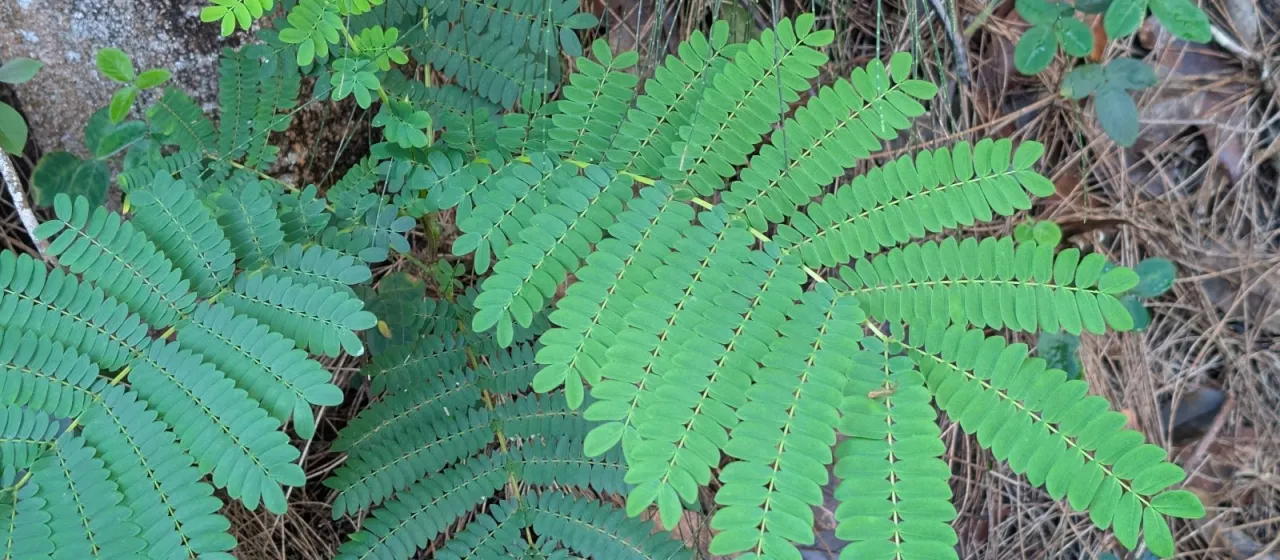
Botanically, it is characterized by its umbrella-shaped crown and feathery, bipinnate leaves. As a nitrogen-fixing tree, it contributes significantly to soil health by improving nitrogen levels, which allows it to thrive in nutrient-poor environments. It requires significant solar radiation and consistent moisture levels throughout the year to maintain its rapid growth rate.
Agricultural management of this crop involves intensive site selection and early-stage maintenance. Given its high demand for light, plantations require systematic thinning to ensure optimal diameter growth. Weed management is crucial during the establishment phase, as the young saplings are highly susceptible to competition from encroaching vegetation in tropical environments.
Commercially, the timber is prized for its lightweight, low-density properties, making it an ideal choice for plywood production, lightweight furniture, packing crates, and fiberboard. Beyond industrial timber, it is a common choice for agroforestry systems, providing shade for cash crops and acting as a pioneer species for reforestation and ecological restoration projects.
Plantation health is occasionally threatened by specific pathogens, with the gall rust disease (Uromycladium tepperianum) being the most severe, often causing significant loss in growth and tree vitality. Integrated pest management, including the use of resistant clones and proper site sanitation, remains the primary approach for mitigating losses from wood-boring insects and fungal outbreaks.