
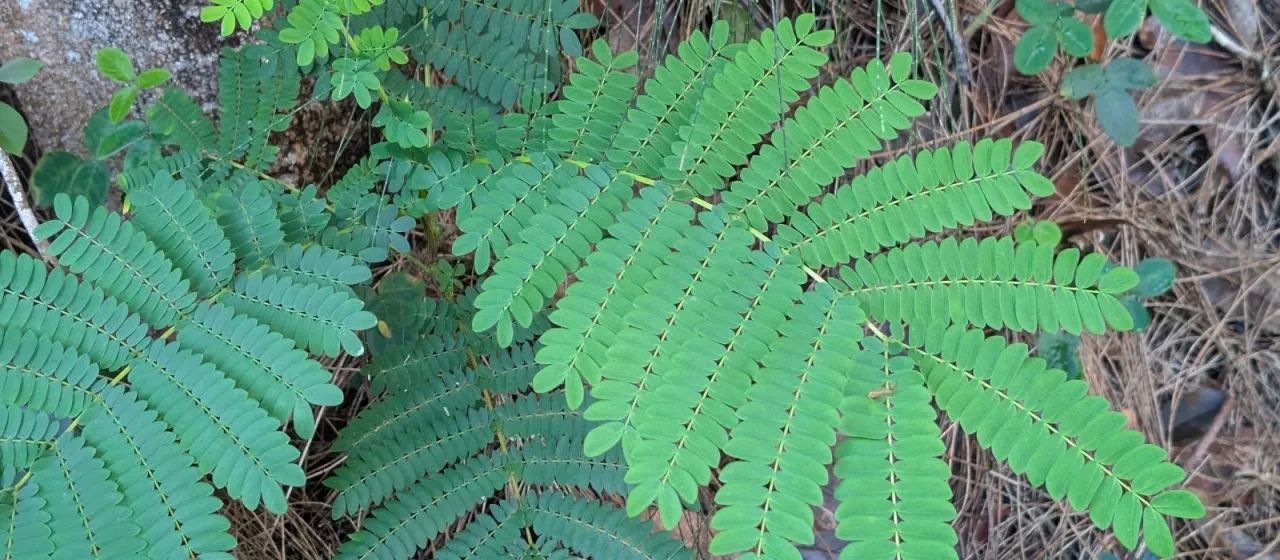
Description
Falcataria moluccana is a significant leguminous tree species (family Fabaceae) recognized globally as one of the fastest-growing trees in tropical environments. Originally native to the Moluccas, New Guinea, and the Bismarck Archipelago, it has become a staple species for reforestation and agroforestry initiatives across the humid tropics.
The tree thrives in high-rainfall tropical climates, ideally where annual precipitation ranges between 2000 and 4000 mm. It is a heliophytic species, requiring full sunlight to maintain its rapid growth rate. It is often found at elevations ranging from sea level up to 1500 meters, preferring fertile, well-drained volcanic or alluvial soils.
Botanically, Falcataria moluccana is characterized by a wide, spreading crown and delicate, feathery bipinnate leaves. A distinguishing feature is its capacity for rapid biomass accumulation, with young trees often reaching significant heights within just a few years. The root system is largely lateral, which facilitates efficient nutrient uptake but renders the trees vulnerable to windthrow in storm-prone areas.
In terms of silviculture, proper management is essential to maximize timber quality. Young plantations require weed control and thinning to prevent competition, which otherwise leads to slender, weak trunks. Because the wood is lightweight and relatively soft, it is best suited for applications where high strength is not the primary requirement but fast harvest cycles are desired.
The economic utility of the species is multifaceted. Its timber is widely used for light-duty construction, plywood veneer, matchsticks, and pulpwood for paper production. Furthermore, because it fixes atmospheric nitrogen, it is highly valued as a shade tree in coffee and cocoa plantations, contributing to soil health through high rates of leaf litter fall.
Disease management is a key aspect of plantation maintenance. The species is susceptible to various fungal pathogens, such as Uromycladium falcatarium, which can cause gall rust, potentially devastating stands. Integrated pest management and the selection of resistant provenances remain the primary strategies for sustainable cultivation.