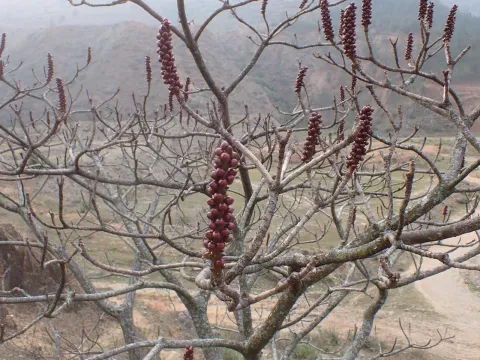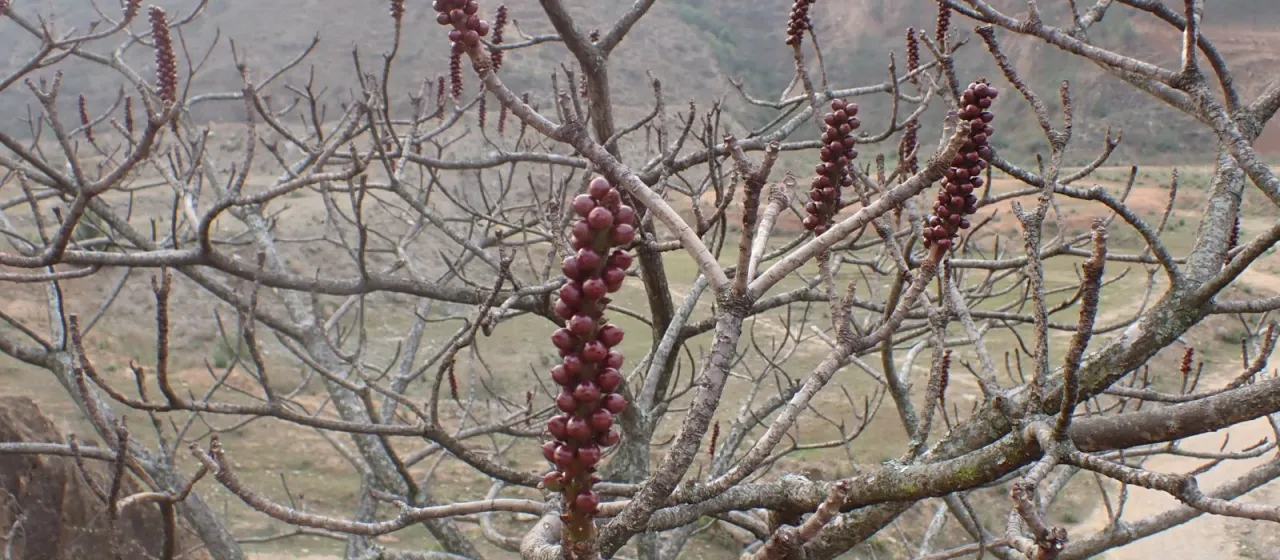
Description
Falconeria insignis is a distinct tree species belonging to the Euphorbiaceae family. Much like other members of this diverse family, it is recognized by its structural complexity and the presence of milky latex, which serves as a specialized chemical defense mechanism against herbivores.
The native range of this species is centered in the tropical regions of Southeast Asia, specifically India and Myanmar. It thrives in humid tropical environments, where it plays a supportive role in forest biodiversity. The tree is well-adapted to high-rainfall regimes and the specific light conditions found in dense forest canopies.
Botanically, Falconeria insignis is characterized by its deciduous nature and unique branching patterns. The morphology of its leaves and reproductive structures reflects its evolutionary adaptation to its native habitat. It exhibits specific growth cycles that are synchronized with the seasonal shifts in temperature and humidity common in tropical climates.
In terms of cultivation, the species demands precise conditions to flourish. Ideal sites include well-drained soils rich in organic matter. Temperature stability is paramount, as the species is sensitive to sudden drops in temperature. Cultural management focuses on maintaining high humidity and ensuring adequate soil aeration to prevent root rot.
Economically, while not a mainstream commodity crop, the plant holds value in specialized forestry and ecological restoration projects. Its resilience to local pests is moderate, but like many tropical species, it remains vulnerable to certain fungal pathogens during prolonged wet periods. Further research into its potential uses continues to be of interest to botanical institutes.
Photo gallery