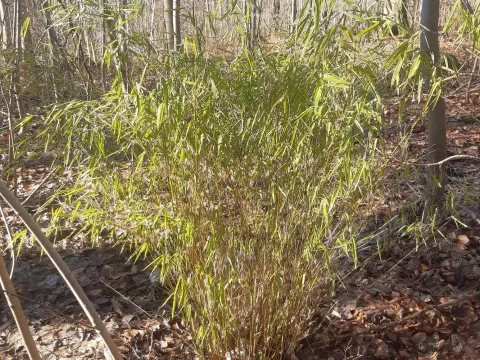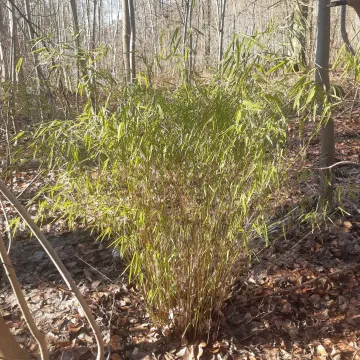
Fargesia murielae
Fargesia murielae x Fargesia nitida
Description
Fargesia murielae, commonly known as the umbrella bamboo, is a non-invasive, clumping perennial belonging to the grass family (Poaceae). Unlike runner bamboo species, it grows in dense, tight clusters that do not spread aggressively through the garden, making it an ideal choice for residential landscapes and controlled planting areas.
The plant originates from the high-mountain regions of China, specifically Hubei province. Thriving at high altitudes, it has evolved to be cold-hardy and adaptable to cool temperate climates. This geographical background makes it one of the most reliable bamboo species for cultivation in temperate regions across the globe.
Botanically, this bamboo features graceful, slender culms that arch outward under the weight of abundant, bright green foliage. The leaves are narrow and persistent, providing year-round greenery. As a clumping bamboo, its root system is compact, and the plant expands in diameter very slowly over time, maintaining a sophisticated and manageable aesthetic.
Successful cultivation requires specific environmental conditions. It prefers partial shade, particularly protection from intense afternoon sun, and rich, well-draining soil with a neutral to slightly acidic pH. Consistent moisture is crucial, especially during the first few years of establishment. Mulching the base of the plant helps retain soil moisture and stabilizes root temperatures during summer.
Regarding its utility, Fargesia murielae is highly valued as an ornamental specimen, effective for creating privacy screens, hedgerows, or container gardening. It is generally robust; however, it can be prone to aphid or mite infestations in exceptionally dry, hot weather. Proper maintenance, including regular watering and occasional thinning of old, woody culms, ensures long-term health and vitality.
Photo gallery