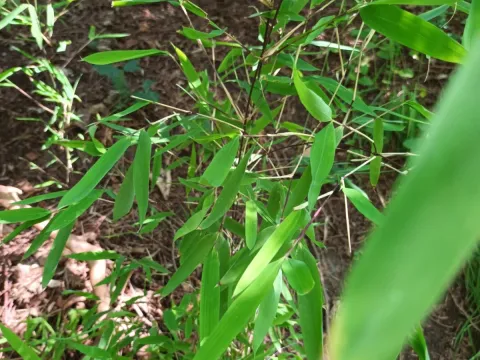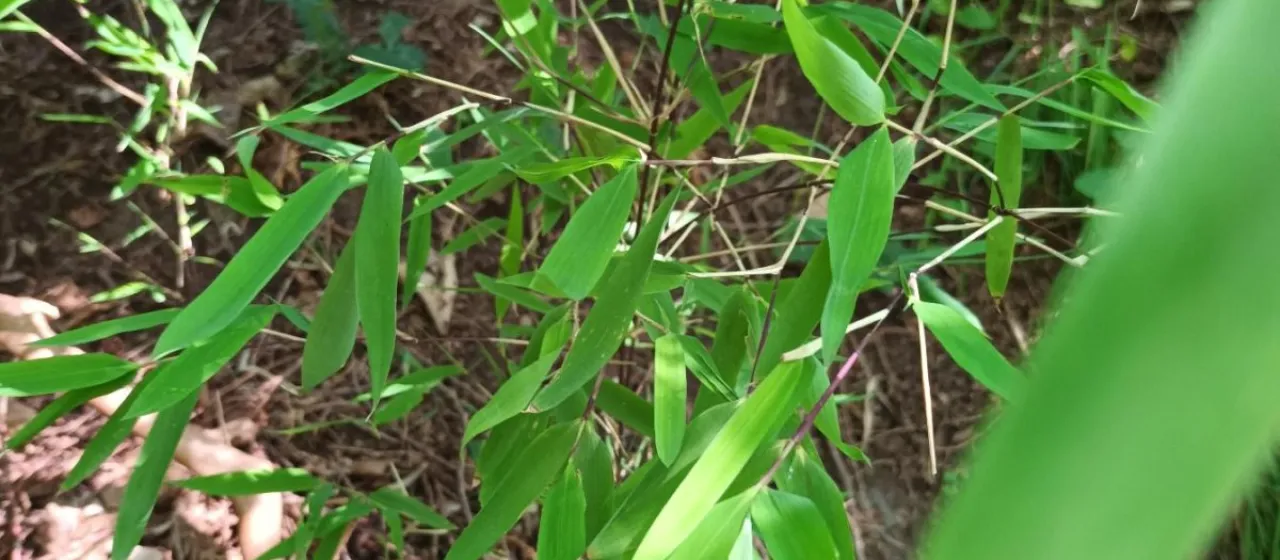
Description
Fargesia spathacea is a perennial, evergreen species belonging to the Poaceae family. It is widely recognized in professional horticulture as a non-invasive, clumping bamboo that maintains a compact footprint. Unlike running bamboo varieties, its root system is slow-spreading, making it an excellent candidate for controlled garden environments.
Originating from the mountainous regions of central and western China, this species has evolved in cool, high-altitude forest environments. Because of its native habitat, it possesses remarkable cold hardiness, allowing it to survive in temperate climates where other bamboo species would struggle or perish during severe winters.
Botanically, the plant features densely packed culms that emerge with a soft, purplish tint, eventually turning into a rich olive green. Its leaves are narrow and lanceolate, creating a dense, cascading texture that provides excellent visual privacy. The plant reaches its full aesthetic potential in sheltered areas where it can maintain its lush, evergreen foliage throughout the year.
The cultivation of Fargesia spathacea requires specific attention to site selection. It thrives best in semi-shaded to shaded areas, as intense midday sun can scorch its leaves. The soil should be well-drained, rich in organic matter, and consistently moist. Regular mulching is recommended to prevent moisture evaporation and to keep the root system cool during the warmer months.
The primary horticultural application of this bamboo is in landscaping, particularly for screening and natural privacy fencing. It also performs well in large containers for patio displays. While generally robust, gardeners should be vigilant against common pests such as aphids or spider mites, and ensure adequate air circulation to prevent fungal issues related to over-watering.
Photo gallery